How to Get a Massachusetts Hoisting License
01
May
You’ve probably heard all sorts of things on the job site: that you don’t need a license if you’re supervised, or that you’re exempt if you’re on private property. A lot of that is just plain wrong, and bad advice can lead to serious fines and delays. Getting your Massachusetts hoisting license requires following the rules, and the first step is separating fact from fiction. We’re going to clear up the common myths and walk you through what the state actually requires. From the mandatory DOT physical to the specifics of continuing education, this article lays out the official process so you can get licensed the right way, without any guesswork.
Key Takeaways
- Choose the right license classification: Your first step is to identify the specific license you need, whether it's a 2A for excavators or a 1C for forklifts, as operating without the correct certification can lead to serious penalties.
- Complete all required steps before the exam: Getting licensed is a multi-step process that includes confirming your eligibility, passing a DOT physical, and submitting a complete application before you can even schedule your test.
- Invest in dedicated test preparation: The state exam covers specific laws and regulations that experience alone won't teach you, so using a test prep course is the most effective way to learn the material and pass on your first try.
Which Massachusetts Hoisting License Do You Need?
Before you can even think about studying for the exam, you need to figure out which license you’re actually going for. Massachusetts groups hoisting equipment into different categories, and operating machinery without the right license can lead to serious fines. Getting the correct one from the start saves you time, money, and a major headache.
Each license class covers specific types of equipment, from massive cranes to the forklifts you see in warehouses. Think about the machinery you use every day or the jobs you want to qualify for. Your answer will point you to the right license classification. Let’s walk through the most common license types so you can find the perfect fit for your career goals. It's not just about passing a test; it's about being certified for the specific tools of your trade. Choosing correctly ensures you're compliant with state regulations and shows employers you have the specialized knowledge for the job. Whether you're digging foundations, lifting materials onto a roof, or organizing a warehouse, there's a specific license for that. We'll break down each class to make the decision clear and simple, helping you identify exactly what you need to move forward in your career.
Class 1A: Derricks and Cranes
If you’re working with the big guns, this is your license. The 1A covers all hoisting equipment, including massive lattice boom cranes, derricks, and clutch machines. These are the heavy-lifters of the construction world, used for moving substantial materials on large-scale projects. Because this equipment is so complex and powerful, the 1A license is one of the most comprehensive. It ensures you have the knowledge to operate these machines safely and efficiently. If your job involves any type of large-scale crane work, the Class 1A is a must-have.
Class 1B: Telescoping Booms with Cables
The 1B license is for operators of equipment with telescoping booms that use wire ropes or cables. Think of mobile cranes that you often see on building sites, which can extend and retract to reach different heights and distances. This classification is essential for anyone operating boom trucks or cranes where the lifting is done via a cable system. Getting your 1B certification shows you’re qualified to handle the specific safety protocols and operational challenges of this machinery. We offer classroom test preparation for 2A & 1B to get you ready for the exam.
Class 1C: Forklifts and Lulls
This is one of the most common licenses you’ll see on a job site. The 1C covers equipment with hydraulic telescoping booms that do not use wire ropes, as well as forklifts, also known as lulls or rough terrain forklifts. These machines are the workhorses of many construction and landscaping projects, used for lifting and moving materials like pallets of bricks or lumber. If you operate a lull, telehandler, or any similar type of forklift, the 1C is the license you need. Many operators find it useful to get their 1C and 2A licenses together, which is why we offer a combined 2A & 1C test prep course.
Class 1D: General Industrial Warehouse Forklifts
The 1D license is specifically for general industrial warehouse forklifts. This is the kind of forklift you typically see inside a warehouse, distribution center, or big-box store, moving pallets on smooth, concrete floors. Unlike the rough-terrain forklifts covered by the 1C, these are designed for indoor use. If your job is focused on logistics, stocking, or material handling within a building, the 1D is the right license for you. It’s a great starting point for many careers in the industrial sector. You can even get classroom training for 3A & 1D licenses at the same time.
Class 2A: Excavators and Backhoes
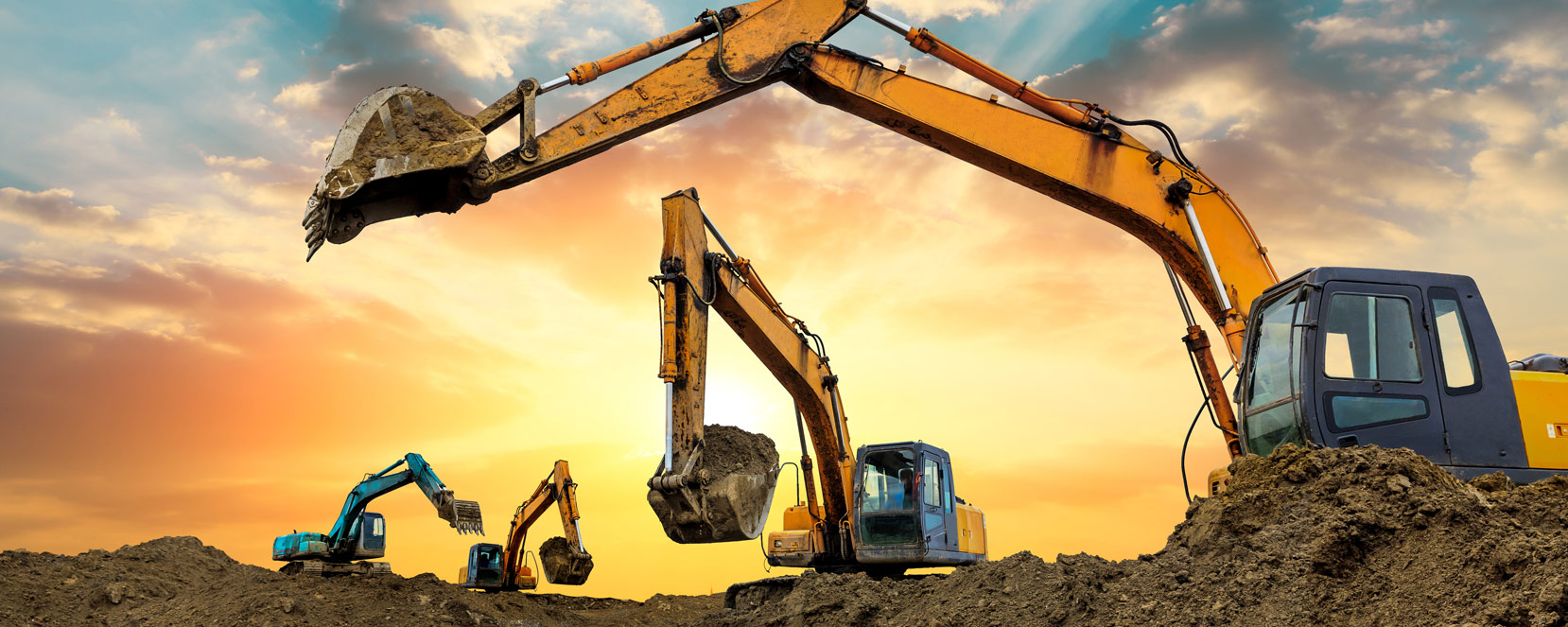
If you’re moving earth, you need a Class 2A license. This classification covers all crawler and rubber-tired excavators, backhoes, and front-end loaders. Essentially, if your machine has a bucket and is designed for digging, trenching, or loading material, the 2A license is required. This is a foundational license for anyone in excavation, construction, landscaping, or utility work. It’s also one of the most popular licenses in Massachusetts. Our online test preparation is a fantastic way to study the regulations and safety procedures you’ll need to know for the exam.
Class 3A: Electric and Air-Powered Hoisting Equipment
The 3A license covers all electric and air-powered hoisting equipment. This category includes machinery like electric overhead cranes found in industrial workshops, air-powered chain hoists, or overhead bridge cranes. While they may not be powered by an engine, these machines still require skill and a deep understanding of safety protocols to operate correctly. If you work in a manufacturing plant, repair shop, or any facility that uses electric or pneumatic lifting devices, you’ll need a 3A license to stay compliant and ensure a safe working environment for everyone.
What You Need to Get Your MA Hoisting License
Getting your hoisting license in Massachusetts might seem like a complex process, but it’s completely manageable when you break it down into clear, actionable steps. Think of it as your roadmap to operating heavy equipment legally and safely. The state has these requirements in place for a good reason: to ensure everyone on the job site, including you, is protected and well-prepared. From confirming you meet the basic criteria to acing the final exam, each step is designed to build your competence and confidence. We'll walk through each requirement one by one, so you know exactly what to expect and can plan accordingly. Let’s get started on what you need to do to earn your MA hoisting license.
Check Your Eligibility
First things first, let's make sure you meet the basic requirements. To apply for a Massachusetts hoisting license, you need to be at least 18 years old. You also need a solid understanding of how hoisting machinery works and the safe operating practices that go with it. This includes knowing standard hand signals and how to properly inspect your equipment before you start a job. It’s all about building a strong foundation of safety and operational knowledge before you even think about the exam. If you're new to this, it's a good idea to get familiar with the different license classifications to see which one fits the equipment you plan to operate.
Pass the DOT Physical Exam
Before you can even apply for the hoisting license exam, you need to pass a Department of Transportation (DOT) physical. This is a mandatory step that ensures you are medically fit to safely operate heavy machinery. A certified medical examiner will check your vision, hearing, blood pressure, and overall physical health. Once you pass, you’ll receive a DOT medical card, which is a required part of your application packet. Don’t put this off, as you can’t move forward in the licensing process without it. It’s a critical safety measure that protects you and everyone around you on the worksite.
Submit Your Application and Paperwork
Once you have your DOT medical card, it’s time to tackle the paperwork. To get your license, you’ll need to submit an application to the state of Massachusetts. Make sure you fill out every section accurately and include all the required documents, like a copy of your driver’s license and your medical card. Double-checking your application for any errors or missing information can save you a lot of time and prevent delays. Submitting a complete and correct application is your official first step toward getting scheduled for the state exam, so it’s worth taking a few extra minutes to get it right.
Prepare for the State Exam
This is the final and most important step. The state exam covers a lot more than just hands-on skills. It tests your knowledge of Massachusetts-specific laws, safety regulations, load calculations, and proper operational techniques. Even if you’ve been operating equipment for years, the exam includes detailed questions that can trip up the most experienced professionals. This is why taking a dedicated test prep course is so valuable. It focuses specifically on what you’ll be tested on, helping you study smarter, not harder. Proper preparation gives you the confidence you need to walk in on exam day and walk out with your license.
Breaking Down the Costs of a Hoisting License
Getting your Massachusetts hoisting license is an investment in your career, and it helps to know what to expect financially. The total cost isn't just a single fee; it's spread out across a few key stages, from your initial application to your biennial renewal. Understanding these different expenses will help you budget properly and ensure there are no surprises along the way. Think of it in four main parts: the state's application and exam fees, your test preparation and training, your required continuing education, and the final license renewal fees. Let's walk through each one so you can plan your path to getting and keeping your license.
Initial Application and Exam Fees
Your first step is to pay the fees required by the state of Massachusetts. Before you can even sit for the exam, you'll need to submit an application along with the necessary payment. This fee covers the administrative processing of your application and the cost of the exam itself. It’s a non-refundable fee, so you want to make sure your application is filled out correctly and completely. You can find all the necessary forms and details on the official state website, but we've gathered the Mass Hoisting Test Applications in one place to make it easier for you. This is a standard, fixed cost for every applicant, so it's a good starting point for your budget.
Test Prep and Training Costs
While you can technically take the exam without formal training, investing in a good test prep course is one of the smartest moves you can make. The state exam is challenging, and preparation courses are designed to teach you exactly what you need to know to pass on your first attempt. The cost for training varies depending on the format you choose. You can opt for flexible online test preparation that lets you study at your own pace, or you might prefer a structured, in-person classroom setting. This cost is an investment in yourself that can save you the time and money of having to retake the exam.
Continuing Education Expenses
Once you have your hoisting license, you’ll need to complete continuing education (CE) to keep it active. Massachusetts requires license holders to complete a specific number of CE hours for each license grade during every two-year renewal cycle. These courses ensure you stay up-to-date on the latest safety protocols and regulations. The cost for these courses is a recurring expense to factor into your budget. Fortunately, you can complete your online continuing education from home, making it a convenient and affordable way to meet the state's requirements. After you finish your course, you'll receive a certificate of completion to submit with your renewal application.
License Renewal Fees
Every two years, you'll need to officially renew your license with the state, which involves a renewal fee paid directly to the Massachusetts Department of Public Safety. This fee is separate from the cost of your continuing education courses. The renewal process is straightforward, but it’s important to stay on top of the deadline. You'll receive a renewal form from the state before your license expires. Once you've completed your CE credits, you can submit your application, certificate, and payment. You can find the official renewal application link and get the process started. Keeping your license in good standing is simple as long as you plan for this recurring cost.
Find the Right Hoisting License Training
Flexible Online Courses
If your schedule is packed, online test preparation is a great fit. These courses let you study anytime, anywhere you have an internet connection. You can use any device, and the system saves your progress, so you can pick up right where you left off. With helpful narration and videos, the material is easy to follow and digest. This approach allows you to prepare for the exam on your own terms, fitting study sessions into your life instead of the other way around. It’s a convenient and effective way to get ready for test day without rearranging your work or family commitments.
Hands-On Classroom Training
For those who learn best with direct instruction, hands-on classroom training is an excellent choice. Being in a room with an expert instructor means you can ask questions and get immediate feedback, which helps clarify any confusing topics. These sessions provide a structured environment to keep you focused and on track. With multiple locations available, you can find a classroom test preparation course near you. This format is ideal if you prefer a traditional learning experience and the accountability that comes with a set schedule. It’s a solid path to making sure you’ve mastered all the material before you sit for the exam.
Training for Your Whole Team
Getting your entire crew licensed doesn't have to be a logistical headache. If you have a group of four or more, you can arrange for instructors to come directly to your job site. This option saves travel time and ensures your whole team receives consistent, high-quality instruction together. You can train at your location for a variety of license types, including 1D, 2A/1B, and 3A. It’s an efficient way to get everyone certified and compliant without disrupting your operations, reinforcing safety standards across your company and building team confidence.
Courses Available in Spanish
Access to quality training should be available to everyone. To support all members of the workforce, hoisting license courses are also offered entirely in Spanish. This ensures language isn't a barrier to getting the education needed to operate equipment safely and pass the state exam. The materials and instruction in these para español courses are designed to be clear and accessible for Spanish-speaking students. This provides an equal opportunity for every individual to earn their license, build their skills, and advance their career in the construction and hoisting industries.
Common Hoisting License Myths and Hurdles
Getting your hoisting license can feel like a complicated process, and a lot of misinformation floats around job sites. It’s easy to get tripped up by rumors or misunderstand the finer points of state law. Let's clear up some of the most common myths and hurdles you might face on your way to getting licensed. Understanding these points ahead of time will save you from potential headaches, delays, and even legal trouble down the road.
Myths About Supervision and Property Owners
It’s a common misconception that you don’t need a license if you’re operating equipment while supervised by someone who is licensed. This is simply not true. Massachusetts law is very clear: the person physically operating the machinery must hold the appropriate license for that equipment. It doesn’t matter if your licensed supervisor is standing right next to you. Similarly, thinking you don't need a license because you're working on your own private property is another frequent mistake. Unless your work falls under a very specific exemption, the location doesn't change the requirement. The moment you take the controls, you are the operator and are responsible for being properly licensed.
Understanding the Agricultural Exemption
The agricultural exemption is one of the most misunderstood parts of Massachusetts hoisting law. Yes, there is an exemption for hoisting machinery used exclusively for agricultural purposes. However, this is a very narrow and specific rule. It applies to activities directly related to farming, like moving hay bales on a farm. It does not apply to general excavation, construction, or landscaping, even if that work happens to be on agricultural land. Before you assume you’re covered by this exemption, be absolutely sure your work fits the state’s strict definition. For the vast majority of operators, a hoisting license is not optional.
The Challenge of Passing the First Time
Let’s be direct: the Massachusetts hoisting exam is tough, and many people don't pass on their first attempt. The test isn't just about practical operating skills. It's a comprehensive exam that covers a mix of specific state laws, regulations, and detailed equipment knowledge. You'll be tested on everything from hand signals and safe operating distances to the finer points of the Massachusetts General Laws. Simply having experience with the machinery isn't enough to guarantee a passing grade. That's why dedicated online test preparation is so important. It helps you study the exact material that will be on the exam, so you can walk in feeling confident.
Making Sense of State Regulations
The rules surrounding hoisting licensure in Massachusetts are detailed and specific, leaving little room for interpretation. It’s your responsibility as an operator to know and follow them. This includes understanding exactly which license classifications you need for the equipment you plan to use. For example, operating an excavator (2A) with only a forklift license (1C) is a serious violation. The state puts these regulations in place to ensure safety on every job site. Taking the time to learn the laws not only helps you pass the exam but also makes you a safer, more responsible operator, which protects you, your coworkers, and the public.
Getting Your DOT Medical Card Right
Before you can even sit for the hoisting exam, you need a valid Department of Transportation (DOT) medical card. This is a non-negotiable prerequisite. The physical exam ensures you are medically fit to safely operate heavy machinery, checking things like your vision, hearing, and blood pressure. Any issues with your medical card will bring your application process to a halt. Make sure your card is current and that you have a physical copy to submit with your paperwork. If you have questions about the requirements or need to find a certified medical examiner, you can find more DOT medical information to guide you through the process smoothly.
Related Articles
Frequently Asked Questions
What's the real difference between a 1C and 1D forklift license? This is a great question because it comes up all the time. Think of it in terms of location and terrain. The 1C license is for rough terrain forklifts, often called lulls or telehandlers, that you see on outdoor construction sites. The 1D license is for the industrial warehouse forklifts you see operating on smooth, concrete floors inside a building. So, if you're working outdoors, you'll likely need a 1C, and if you're indoors, a 1D is the one for you.
I've been operating equipment for years. Do I still need a test prep course? Your hands-on experience is incredibly valuable, but the state exam is more than just a practical test. It's designed to test your knowledge of very specific Massachusetts laws, safety codes, and regulations, which often trip up even the most seasoned operators. A prep course focuses directly on the material you'll be tested on, ensuring you're prepared for the written questions, not just the hands-on work you already know so well.
How often do I have to renew my license, and what's required? Your Massachusetts hoisting license is valid for two years. To renew it, you need to complete a set number of continuing education hours for your specific license class. This keeps you current on safety standards and regulations. Once you complete your course, you'll submit your certificate of completion along with the state's renewal application and fee. It's a straightforward process designed to keep everyone safe and up-to-date.
Can I use my hoisting license from another state in Massachusetts? Unfortunately, no. Massachusetts does not have reciprocity with any other state for hoisting licenses. Regardless of your experience or licensure elsewhere, you must go through the full process in Massachusetts. This includes submitting an application, getting a DOT medical card, and passing the state-specific exam to legally operate hoisting equipment here.
What's the very first step I should take if I'm starting from scratch? The first thing you need to do is schedule and pass a Department of Transportation (DOT) physical. You will receive a medical card upon passing, which is a mandatory part of your license application. Without that card, you can't even apply to take the exam. So, before you do anything else, get your physical taken care of; it's the official starting line for the entire process.
Tags: ,