Class 3A Hoisting License Guide for Massachusetts Operators
11
Aug
Operating air- or electric-powered hoisting equipment in Massachusetts requires more than knowing the controls. You need the classification that matches your work, preparation for the state exam, and a complete application before you can operate within the rules. The process is manageable when you separate equipment scope from training, testing, and renewal requirements.
Call 508-212-4735 to enroll today.
A class 3a hoisting license is the Massachusetts credential for operators of air and electric powered hoisting equipment. Applicants must be at least 18, pass the state examination with a minimum score of 70%, and keep the license current through biennial renewal. The exam addresses safe operating practices, hand signals, inspection procedures, machinery parts, and applicable regulations.
Before choosing a course or scheduling an exam, confirm exactly which machines fall within this classification. That scope determines whether Class 3A is the right path for your job duties or whether another classification may apply.
What Does the Class 3A Hoisting License Cover?
Are you preparing to operate air-powered or electric-powered hoisting machinery in Massachusetts? The class 3a hoisting license is the classification used for this equipment, but the credential is more than a label on an application. It identifies the type of machinery an operator is authorized to handle and connects that work to the state's hoisting safety requirements.
Class 3A covers air and electric powered hoisting equipment. That can include machinery used in construction, industrial, and material-handling work where the power source and equipment classification match the scope of the license. Before operating a machine, confirm its classification rather than assuming that one hoisting license applies to every piece of equipment on a job site.
The Massachusetts Office of Public Safety and Inspections (OPSI), within the Division of Occupational Licensure, licenses and regulates hoisting equipment operation. Its role matters because the applicable license class sets the boundary for the work an operator may perform. A Class 3A credential should therefore be treated as a specific authorization, not a general substitute for other classifications.
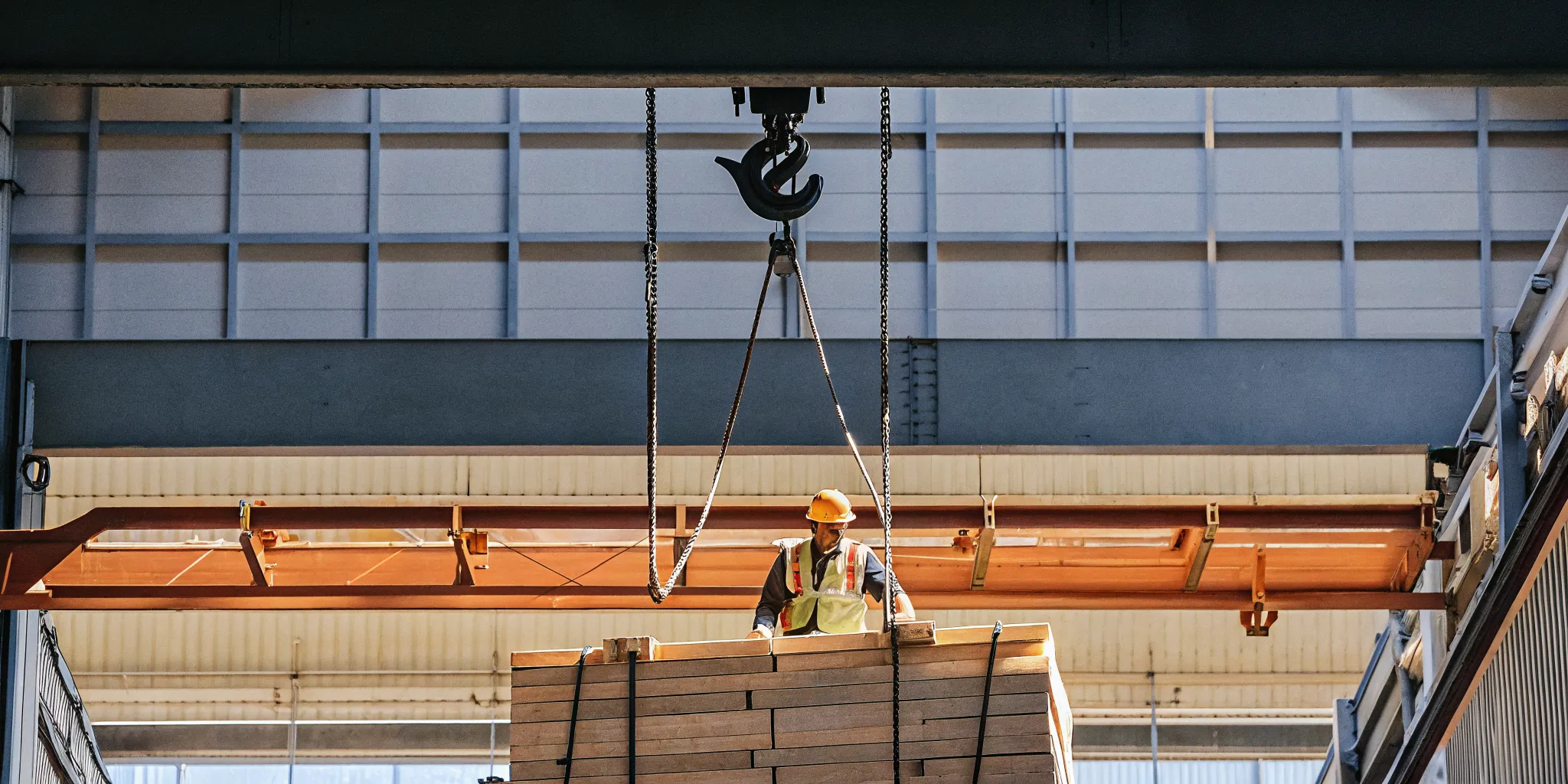
Massachusetts also requires the person operating hoisting equipment to hold the appropriate hoisting engineer license. In practical terms, an employee cannot rely only on job experience or informal workplace training when the equipment requires a license. The operator and employer should verify that the license is current and covers the machinery being used before work begins.
What does Class 3A authority mean on the job?
The classification helps supervisors assign work responsibly. For example, a crew may have operators qualified for excavators or other equipment but still need a Class 3A license for air and electric powered machinery. Reviewing the equipment specifications, license classification, and current state requirements together reduces the risk of putting an unqualified operator on the controls.
License scope is only one part of safe operation. Operators must also understand the machine's working parts, inspection procedures, hand signals, and safe operating practices as they prepare for the state examination and perform the job. When the equipment or assignment falls outside Class 3A, stop and verify the correct classification with OPSI or the current Massachusetts licensing guidance before operating.
What Equipment Requires a 3A Hoisting License in Massachusetts?
Massachusetts Class 3A applies to air or electric powered hoisting machinery. If your job involves operating this type of equipment, confirm that your license classification matches the machine before you run it. The state Office of Public Safety and Inspections (OPSI) licenses and regulates hoisting equipment operation, and the appropriate hoisting engineer license is required to operate covered equipment. See the Massachusetts hoisting licensing overview for current state guidance.
Common 3A machines on Massachusetts job sites
The 3A scope commonly points to equipment powered by electricity or compressed air rather than to a particular worksite or construction trade. Depending on the equipment and its controls, examples can include:
- Overhead cranes used to move materials through a facility or work area.
- Gantry cranes that travel on legs, rails, or a supporting structure.
- Jib cranes that lift and position loads within a defined swing area.
- Electric hoists used to raise or lower suspended loads.
- Related air powered hoists that use compressed air for lifting.
These examples describe the equipment type, not a blanket permission to operate every machine listed. A machine's configuration, capacity, controls, and the work being performed can affect the applicable requirements. Review the manufacturer's information and the current Massachusetts classification rules when the equipment is unfamiliar or has been modified. The Massachusetts hoisting license classifications page can help you compare the available classes before applying.
How 3A differs from 2A equipment
The key distinction is the power source and equipment category. Class 3A focuses on air and electric powered hoisting equipment, while Class 2A pertains to excavators. An excavator operator should not assume that a 3A license covers excavation machinery. And someone who operates electric or air powered hoisting equipment should not rely on a 2A classification simply because both machines appear on the same construction site. Choosing the class based on the actual machine is the safer starting point.
When a project uses several types of equipment, list each machine and its power source before scheduling training or submitting an application. If the classification is unclear, check current OPSI guidance or obtain qualified assistance rather than guessing. That extra review can prevent a mismatch between the work assigned and the license held.
Class 2A vs Class 3A: How the Licenses Differ
The right Massachusetts hoisting classification depends on the machinery you will operate, not simply the job title on your worksite. Class 2A is associated with excavating machinery, while Class 3A covers air or electric powered hoisting machinery. Reviewing the equipment scope before you apply can help you avoid training for the wrong classification and operating outside the authority of your license. See the Massachusetts hoisting license classifications page for the current customer-facing breakdown.
Massachusetts hoisting license classifications and common equipment| License class | Equipment covered | Typical machines | Best for |
|---|
| 2A | Excavating machinery. | Excavator | Operators working primarily with excavation equipment. |
|---|
| 3A | Air or electric powered hoisting machinery. | Overhead and gantry cranes, jib cranes, electric hoists. | Operators using powered lifting equipment in industrial, construction, or facility setting. |
|---|
| 1C | Telescoping booms without cables and related equipment. | Forklift | Operators whose work involves the equipment covered by this classification. |
|---|
| 1D | Industrial warehouse forklift. | Industrial warehouse forklift. | Warehouse operators using covered industrial forklift equipment. |
|---|
Choosing between 2A and 3A starts with the machine's power source and intended function. An excavator points toward 2A, while an overhead crane, jib crane, or electric hoist points toward 3A. If your work includes more than one equipment category, review whether you need an additional classification rather than assuming one license covers everything. Operating without the appropriate license can create a compliance problem for both the operator and the employer. The state exam's core topic areas remain consistent across classifications, including machinery parts, safe operating practices, hand signals, and inspection procedures. Review those subjects in the official Massachusetts hoisting licensing and exam guidance before selecting your preparation path.
What Training Do You Need for a Class 3A Hoisting License in Massachusetts?
Training should prepare you for the equipment you will operate and the safety knowledge Massachusetts expects on the licensing exam. For a Class 3A applicant, that means learning how air and electric powered hoisting machinery works, how to inspect it, and how to operate it within state requirements. MA Hoisting License, operating as MEWPs Inc., brings 35 years of hoisting and excavation training experience to that process.
What state-approved training covers
A complete course should connect classroom instruction to the decisions operators make on a job site. The state exam covers working parts of hoisting machinery, safe operating practices, hand signals, and inspection procedures. These topics are identified by the Massachusetts Office of Public Safety and Inspections, which licenses and regulates hoisting equipment operation.
Training should also help you understand the rules that apply to your license class. The governing requirements are found in 230 CMR 6.00. Focus on recognizing unsafe conditions, communicating clearly with a signal person, checking equipment before use, and knowing when a machine or work condition falls outside your authority. Those practical habits matter beyond the exam because they support consistent compliance on active projects.
Online vs classroom training
Self-paced online training works well for operators who need to study around shifts, travel, or changing project schedules. You can review lessons and return to difficult material without waiting for the next class. Instructor-led classroom training offers a different advantage: direct explanations, live questions, and a structured setting for working through technical concepts with other operators.
A hybrid approach combines both formats. MA Hoisting License offers self-paced online courses alongside instructor-led training at multiple Massachusetts locations, including five training locations. Spanish-language instruction is also available through associated bilingual training resources, giving Spanish-speaking professionals a clearer path to understand technical and safety material.
Applicants who want help beyond coursework can use the provider's Simply Done service for application and state-coordination assistance. Review the hoisting test application assistance option to understand what support is available before submitting paperwork.
Business Owner Note: Employers can schedule on-site group training for an entire crew at the jobsite. Reducing travel and keeping the training aligned with the equipment and procedures workers use every day. Review the group training deals page to compare crew-wide enrollment options.

How Do You Get a Class 3A Hoisting License in Massachusetts?
Getting licensed is a sequence of eligibility, application, training, examination, and renewal steps. Start by matching the license class to the equipment you will operate. Then allow enough time for the state application and exam process before scheduling work that requires a license.
- Confirm that Class 3A is the correct classification. Class 3A covers air and electric powered hoisting machinery. Review the Massachusetts hoisting license classifications before applying, especially if your work may involve equipment covered by another class. Operating hoisting equipment requires the appropriate Hoisting Engineer license, as explained by the Massachusetts Office of Public Safety and Inspections.
- Complete the OPSI application. The applicant must be at least 18 years old and submit the required state application. Follow the current OPSI instructions rather than relying on an old form or fee schedule. The state advises applicants to allow about five weeks for application processing, so submit well before your intended exam or start date. See the OPSI hoisting licensing and exams guidance for current information.
- Complete state-approved preparation. Choose training that addresses the Class 3A equipment and the subjects tested by Massachusetts. The Class 3A hoisting license test preparation course is one available preparation option. Keep your training records and confirm that the course fits the current state requirements.
- Pass the state examination. Prepare for questions on machinery parts, safe operating practices, hand signals, and inspection procedures. A minimum grade of 70% is required to pass the state-administered exam. Treat inspection and signaling as practical safety knowledge, not topics to memorize only for test day.
- Renew every two years. Massachusetts hoisting licenses must be renewed biennially, and continuing education is required for renewal. Track your expiration date and complete approved education early enough to avoid a lapse in authorization.
If you want help assembling the paperwork or coordinating the next step, review the hoisting test application assistance options before submitting your application. Requirements and processing instructions can change, so verify details with OPSI when you apply.
How to Study for the Class 3A Hoisting License Exam
Effective preparation connects the rules to the equipment and decisions you will encounter on a job site. The exam is not limited to terminology. You need to understand how machinery works, how operators communicate, and how to identify unsafe conditions before starting work. Build your study plan around the subjects tested, then use practice questions to find gaps instead of rereading familiar material.
What to study for the 3A exam
Start with the laws and regulations that govern hoisting work in Massachusetts. Review the requirements in 230 CMR 6.00, formerly identified as 520 CMR 6.00, and pay attention to provisions that affect safe operation, inspections, and operator responsibility. Regulations can be updated, so use the current state text rather than relying on an old handout.
Next, organize your technical review into practical categories:
- Safe operation: Learn how operating decisions affect stability, loads, clearances, and job-site safety.
- Inspections: Review what to examine before operation, how to recognize defects, and when equipment should be removed from service.
- Machinery components: Study the working parts of air and electric powered hoisting machinery and understand the purpose of each component.
- Rigging: Refresh your understanding of load attachment, equipment limits, and conditions that can make a lift unsafe.
- Hand signals: Practice identifying standard signals quickly so communication does not depend on guesswork or unclear gestures.
Massachusetts describes the examination as covering all working parts of hoisting machinery, safe operating practices, hand signals, and inspection procedures. The state exam requires a minimum grade of 70%, so aim higher in practice sessions to leave room for pressure, unfamiliar wording, or a missed question.
Study in short, scheduled blocks. Spend one session on components, another on inspections and signals, and a later session applying the rules to realistic operating situations. Keep a written list of questions you cannot answer confidently, then resolve those items before booking the exam.
If you want a structured review, the self-paced Class 3A hoisting license test preparation course offers one-month access for $99 or four-month access for $109. The longer option may suit applicants balancing preparation with changing work schedules.
Call 508-212-4735 to enroll in Class 3A hoisting license training today.
Frequently Asked Questions
What does a 3A hoisting license cover in Massachusetts?
It covers air and electric powered hoisting equipment, including the types of machinery used to move materials in industrial and construction settings. Confirm the equipment classification before operating it, because the license must match the machinery you use.
How hard is it to get a hoisting license in Massachusetts?
The process requires an application and a state-administered exam. You should be prepared for questions about working parts of hoisting machinery, safe operating practices, hand signals, inspection procedures, and applicable regulations. The state exam requires a minimum grade of 70% to pass. See the Massachusetts hoisting licensing and exams guidance.
How much does it cost to get a hoisting license in Massachusetts?
Total costs can include exam registration and required training or continuing education, so the amount varies by your situation. Check the current state application for official fees rather than relying on an older quote. Training costs are separate from state licensing fees.
What is the difference between a 2A and 3A hoisting license?
Class 2A is associated with excavators, while Class 3A focuses on air and electric powered equipment. Choose based on the machinery you need to operate, not simply the job title you hold. If your work involves multiple equipment types, review the classifications before applying.
Is continuing education required for a 3A hoisting license renewal?
Yes. Massachusetts licenses must be renewed every two years, and continuing education credits are part of the renewal process. Start early enough to complete the education requirement and submit your renewal before the current license expires. Review the official renewal guidance for current requirements.
Ready to Prepare for Your Class 3A License?
Clear preparation can help you understand the Massachusetts requirements, focus your study time, and take the next step with confidence. Training support is available for individual operators, Spanish-speaking learners, and construction teams arranging group instruction. To discuss enrollment and choose the option that fits your needs, call 508-212-4735 today.
Tags: ,