Local Hoisting License Training Peabody: A Practical Guide
25
Aug
For North Shore equipment operators, a nearby training location can make licensing easier to fit around the workweek. Local hoisting license training Peabody operators can use gives Essex County workers a practical starting point. Classroom instruction is nearby, and online options can help when jobsite schedules change.
Call 508-212-4735 to discuss your Peabody-area training options.
Local hoisting license training Peabody operators can choose from includes instructor-led preparation at the Peabody training center and self-paced online study. The best option depends on your equipment classification, work schedule, and preferred learning environment. Confirm the current course and enrollment details before you commit.
Massachusetts hoisting licenses are tied to the equipment an operator plans to run. That makes classification the first decision, not the city where the class is held. Once you know the applicable class, compare classroom and online preparation. Then review the current state requirements and choose a realistic path toward testing or renewal.
Why Choose Local Hoisting License Training Peabody Operators Can Reach?
Peabody is a convenient training base for operators in Essex County, the North Shore, and nearby Greater Boston communities. A local classroom can reduce travel time, and a nearby provider can help you confirm the right classification and current schedule before you apply or prepare for an exam.
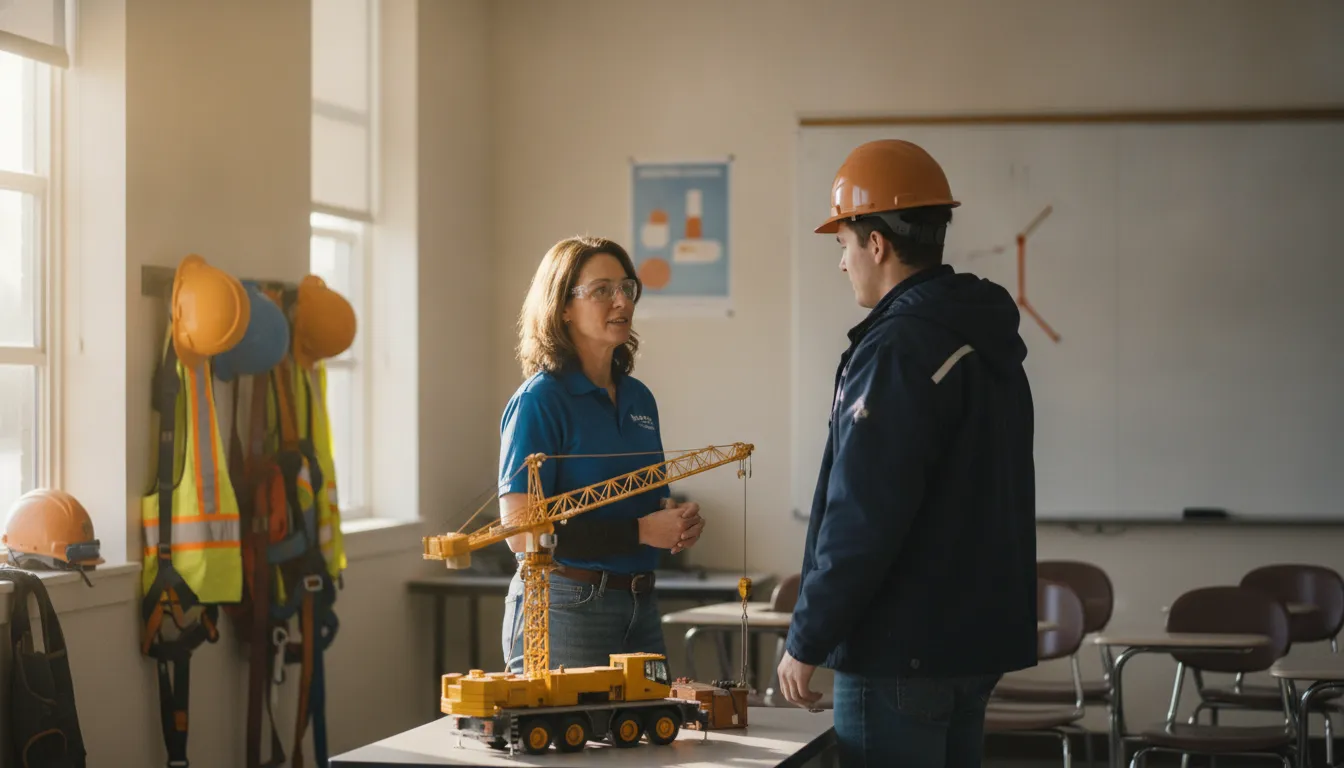
MA Hoisting License lists a Peabody training center at 57 Newbury Street. It serves operators working in Peabody, Salem, Lynn, Danvers, Beverly, and other North Shore communities. For an independent operator, that proximity can make a structured class easier to attend without giving up an entire day to travel. For a company, it can simplify sending several employees to the same location.
Peabody is also part of a broader Massachusetts training network. MA Hoisting License maintains five permanent locations, including Plainville, Worcester, Southbridge, West Springfield, and Peabody. If the Peabody schedule does not fit your calendar, reviewing the license classifications and training options can help you identify the next practical route.
What should you confirm before booking a Peabody class?
Confirm the license classification, course format, current date, start time, location, and any materials included. Course availability and state requirements can change, so a current conversation with the provider is more reliable than an old calendar entry. You should also separate provider course fees from state application or examination fees when planning your budget.
Use the provider's Massachusetts hoisting test and application guidance as a planning resource, then verify high-stakes requirements with the state. This two-source approach keeps the practical details organized without treating a training page as a substitute for current Massachusetts rules.
What Does a Massachusetts Hoisting License Require?
A Massachusetts hoisting license is based on the equipment classification an operator needs. Applicants should confirm current eligibility, education, application, medical, examination, and renewal requirements through official Massachusetts sources. Training can support preparation, but the state remains the authority for licensing decisions and current procedures.
Before enrolling in local hoisting license training Peabody operators should identify the machinery they expect to operate. Massachusetts groups equipment into license classifications, and the correct class depends on the machine and its operating characteristics. The classifications include hoisting equipment, excavating equipment, special equipment, and specialty operations.
Commonly discussed paths include Class 2A for certain excavators and larger front-end loaders, Class 2B for smaller loaders and backhoes. Class 1B for telescoping-boom equipment with wire rope, and Class 1C for telescoping-boom equipment without wire rope. These examples are not a complete eligibility determination. They show why a course conversation should begin with the machine, not simply a job title.
Check the current state requirements first
The Massachusetts Office of Public Safety and Inspections administers the state hoisting licensing process. Requirements can include an application, education or training documentation, medical documentation where applicable, fees, and a written examination. Details can change, so review the current Massachusetts hoisting licensing and exams information before setting a deadline.
The state's education requirements for a hoisting engineer license are especially important when you are deciding which preparation course to take. They explain the education requirements by classification and should be treated as the controlling source. A provider can help you understand course options, but it cannot replace the state's official instructions.
Do not rely on outdated regulation summaries
Massachusetts regulations and administrative processes are subject to updates. Before applying, review the current official guidance and confirm whether any documents, fees, or examination procedures have changed. The 230 CMR 6.00 hoisting machinery regulation is another useful official reference for the regulatory framework.
Taking this step early can prevent a common problem: completing a course that does not match the classification or documentation needed for the intended license. Write down the equipment, class, application status, and next deadline before you contact a provider. That short preparation makes the enrollment conversation more productive.
Which Training Format Fits a Peabody Operator's Schedule?
Classroom training is usually a good fit for operators who want a fixed schedule and live instructor support. Online training can work better for operators with shifting jobsite hours who need to study in smaller blocks. Both choices should be matched to the required classification and verified against current course availability.
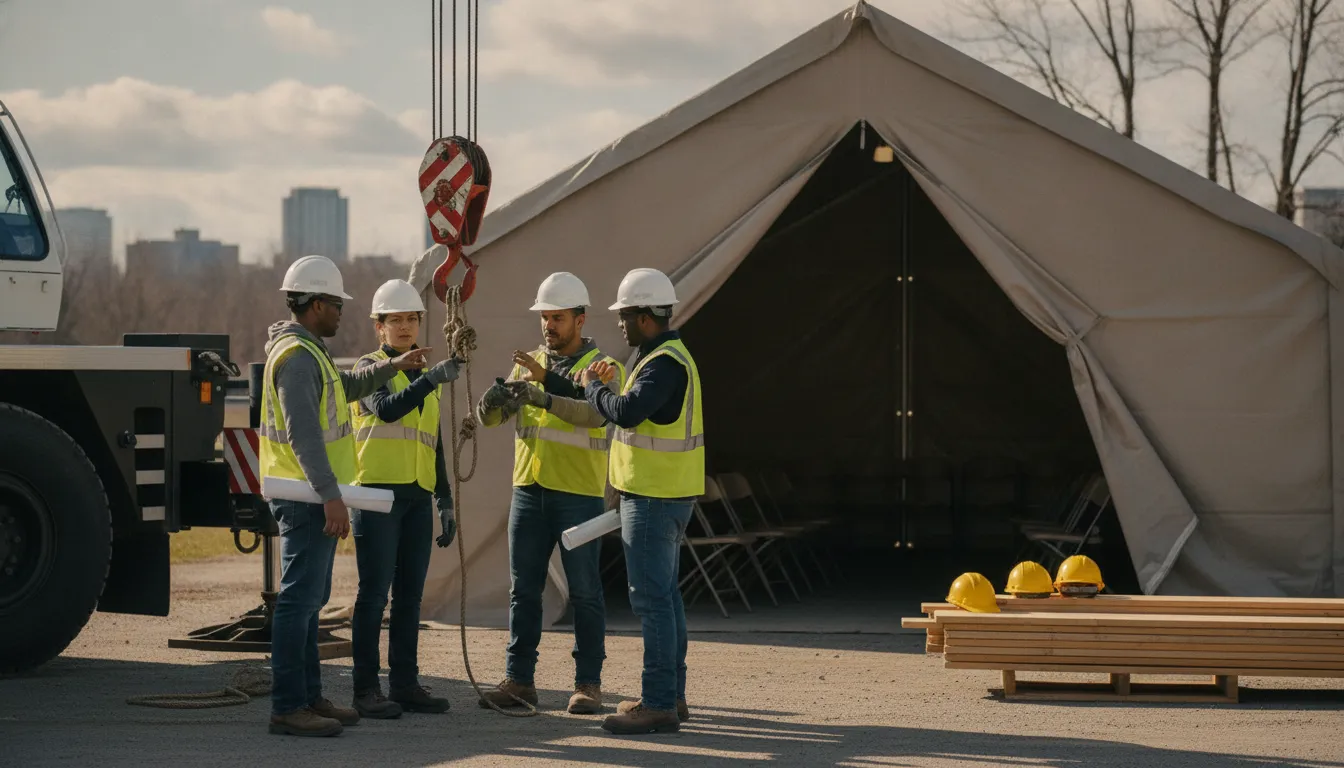
Instructor-led preparation at Peabody gives students a defined place and time to work through the material. It can be useful if you learn best by asking questions as they arise, discussing safety situations with an instructor, and following a guided review. A classroom can also create accountability for someone who tends to postpone self-paced study.
Self-paced online preparation serves a different need. MA Hoisting License offers online course options through its online test preparation catalog. Operators can study around work shifts, weekend responsibilities, or changing jobsite demands. Companies may also find online study useful when employees cannot all leave a site for the same classroom date.
| Consideration. |
Instructor-led training. |
Self-paced online training. |
| Schedule. |
Fixed classroom date and time. |
Study blocks selected by the operator. |
| Learning support. |
Ask questions during live instruction. |
Review course material at your own pace. |
| Travel. |
Attend the Peabody location or another center. |
Access the course from an appropriate location. |
| Best fit. |
Operators who prefer structure and direct discussion. |
Operators with shifting hours or limited travel time. |
Neither format is automatically right for every student. If you need a firm study date, prefer face-to-face explanations, or want to separate training from the distractions of a jobsite, ask about the next Peabody classroom session. If your schedule changes frequently, ask about online access, course length, and completion requirements before enrolling.
Exact class times, prices, and available classifications are changeable details. Call 508-212-4735 to confirm the current schedule instead of relying on information copied from an earlier post or third-party listing.
How Do Peabody Operators Prepare for Exams and Renewal?
Start by confirming the license class and the applicable deadline. Then complete the required education, review the equipment and safety material, prepare the application documents, and verify examination procedures with Massachusetts. For renewal, begin early enough to resolve missing certificates or changed requirements before the license expires.
A Massachusetts hoisting license is not a one-time task. Licenses generally follow a biennial renewal cycle, and continuing education requirements depend on the classification held. New applicants and operators adding a classification should plan around the written examination and the education requirements for that specific class.
A practical preparation plan looks like this:
- Identify the equipment and classification. Describe the machine you operate, including the relevant capacity or operating feature, before selecting a course.
- Check the current state education requirement. Use the official Massachusetts education page to confirm the applicable hours and documentation.
- Choose a realistic format. Select the Peabody classroom option if fixed instruction helps you, or choose a self-paced course if your work hours are unpredictable.
- Gather application materials. Review the current application, medical, identification, and fee instructions before submitting anything.
- Study the actual safety concepts. Focus on inspections, load handling, communication, hazard recognition, and the rules that apply to your equipment.
- Confirm the exam process. Verify the current exam location, appointment or notice requirements, and passing standard through Massachusetts.
- Track the renewal date. Put the license expiration date and the recommended education window on both a personal and company calendar.
Preparation is more useful when it connects the rules to the equipment you operate. A forklift operator, excavator operator, crane operator, and specialty-equipment operator may not need the same classification or course. Avoid memorizing a generic checklist without confirming how it applies to your license path.
MA Hoisting License provides test preparation and continuing education options. But no training provider can make the licensing decision for the state or guarantee a particular examination result for every candidate. Use the provider for instruction and practical guidance, then use current Massachusetts sources for final requirements.
Can Spanish-Speaking Operators and Crews Train Near Peabody?
Spanish-speaking operators can ask about bilingual enrollment and course support when comparing Peabody-area options. Construction companies can also ask about coordinated group training. The right arrangement depends on the crew's classifications, language needs, schedule, and the current services available from the provider.
Spanish-speaking operators working across the North Shore need clear information about the same licensing decisions as every other operator. Asking questions in a preferred language can make it easier to discuss equipment classification, course format, documents, and scheduling before an exam or renewal deadline.
MA Hoisting License supports Spanish-language students and maintains a Spanish-language training resource. Ask what support is currently available for the course you need. Language assistance is helpful, but it does not remove the need to satisfy the current Massachusetts licensing and examination requirements.
Business Owner Note: If you manage a crew, ask about group training options for employees who need related classifications. Coordinating a crew's training can simplify scheduling and make it easier to track certificates and renewal dates. Confirm current group availability, pricing, and on-site options directly with the provider.
For a company with changing crews, a short planning call can identify whether employees should attend Peabody together, use online courses, or use a combination of formats. Keep a record of each employee's classification and renewal date. That administrative step helps prevent a single missing certificate or overlooked deadline from disrupting a project.
Call 508-212-4735 to ask about current Peabody and group-training options.
What Are the Next Steps for Local Hoisting License Training Peabody?
The next steps are simple: identify the machine and classification, verify the current Massachusetts requirement. Compare Peabody classroom and online options, confirm the schedule, and enroll only after the details match your licensing goal. A direct call can help resolve course and timing questions before you submit an application.
Use this checklist when you are ready to move from research to planning:
- Write down the machine you operate. Include the equipment type and any details that affect classification.
- Review the current state guidance. Confirm education, eligibility, application, examination, and renewal instructions on Mass.gov.
- Choose the study format. Decide whether a scheduled Peabody classroom or self-paced online course better fits your workweek.
- Confirm the details. Ask about the current date, time, location, price, included materials, and classification covered.
- Plan your paperwork. Set aside time for the application and any required supporting documents.
- Protect the renewal date. Add it to your calendar as soon as your license is issued or renewed.
Local hoisting license training Peabody operators can reach is most useful when it matches the equipment, deadline, and learning style involved. The Peabody center may be the easiest classroom option for North Shore workers. While online study may be more practical for operators whose shifts change from week to week.
Call 508-212-4735 to confirm the right training option and next available step.
Frequently Asked Questions
These answers address common planning questions about Peabody-area hoisting license training. Because licensing rules, schedules, fees, and course availability can change, use the linked official Massachusetts pages and a current provider conversation to confirm details before applying or enrolling.
Where can I take hoisting license training in Peabody?
MA Hoisting License lists a training center at 57 Newbury Street in Peabody. It serves operators from Peabody, Essex County, the North Shore, and nearby Greater Boston communities. Ask the provider to confirm the current classroom schedule and the classification covered by the next session.
How do I choose the correct Massachusetts hoisting license class?
Start with the equipment you plan to operate and compare its characteristics with the current Massachusetts classification guidance. A training provider can help you organize the question, but the state requirements are controlling. If you are uncertain, describe the machine in detail before selecting a course.
Is classroom training better than online training?
It depends on your schedule and learning preferences. Classroom training provides fixed dates and live instructor interaction at Peabody. Online preparation can provide more flexibility for operators with changing shifts. Confirm the course format, access period, and completion requirements before you enroll.
Do Massachusetts hoisting licenses need renewal?
Massachusetts hoisting licenses generally require renewal on a biennial cycle, with continuing education requirements that vary by classification. Check the current official renewal and education guidance for your license class. Start early enough to complete education and resolve paperwork before the expiration date.
Can companies arrange training for multiple operators?
Companies can ask MA Hoisting License about group or on-site training options. The appropriate arrangement depends on the number of employees, classifications, language needs, location, and schedule. Call 508-212-4735 to discuss current group-training availability and requirements.
Tags: ,