MA Hoisting License Reciprocity: What Out-of-State Operators Need to Know
28
Jul
Crossing the state line with an out-of-state hoisting license can shut your job down cold. You cannot run heavy machinery here using credentials from another state.
Call 508-212-4735 to enroll in state-approved training today.MA hoisting license reciprocity is not available because Massachusetts does not automatically honor hoisting licenses issued by other states. According to mass.gov, any worker running hoisting machinery here needs a local license issued by the Office of Public Safety and Inspections. To get your credentials, you must submit an application with a DOT medical certificate and pass an exam covering state regulations and safe equipment operation. MA Hoisting License offers state-approved online and classroom preparation to help you learn the Massachusetts rules and prepare for the required exam. Flexible class options are available at multiple Massachusetts locations.
Many operators ask how these strict state rules apply if they already hold active credentials from a neighboring state. To help you plan your next construction project, we will answer the question: Does Massachusetts Have Reciprocity for Hoisting Licenses?
MA Hoisting License Reciprocity: Does Massachusetts Have Reciprocity for Hoisting Licenses?
Many heavy equipment operators move to New England and ask about MA hoisting license reciprocity. They want to see if their current work cards will transfer. The direct answer is that Massachusetts does not have a formal reciprocity pact for hoisting licenses. If you hold a license from another state, you cannot swap it for a local card.
The definition of license reciprocity
In the construction industry, reciprocity means that two states agree to honor each other's trade licenses. Under this system, an operator could work in either state without taking a new test. But there is no standard reciprocity practice for hoisting licenses in Massachusetts. You must always meet the strict local rules to run heavy machines here.
For out-of-state operators, the lack of reciprocity means a delay in starting work. You cannot use your home state credentials to get a quick permit. You must start the process from the beginning, which includes sending in your medical card and driver's license. Working with a state-approved school can help speed up your application.
Why Massachusetts requires its own license
According to the state, Massachusetts does not automatically honor hoisting licenses from other states. The law requires anyone who wants to run hoisting gear to hold a local permit. You must follow local laws even if you have years of experience. This rule keeps job sites safe and ensures that operators know the state laws.
The state has strict rules for safety, soil types, and utility lines. The Office of Public Safety and Inspections governs these standards to protect workers. Because Massachusetts has no reciprocity pact with other states, you must pass a local test. The exam covers state laws, hand signals, and manufacturer operating manuals. To find out what equipment you can run, look at the MA hoisting license classifications.
Steps for out-of-state operators
If you are an out-of-state operator, you must plan ahead before taking a job in Massachusetts. You need to gather the right papers and pass the state test before you can work. This makes sure that everyone on the job site is safe and trained.
Here are the core rules you must meet to apply:
- Be at least 18 years of age.
- Have a valid driver's license or state ID.
- Have a valid DOT medical card.
- Pass a written exam on safety and hand signals.
Since there is no MA hoisting license reciprocity, you must schedule and pass this test. The exam covers state laws, safety rules, and hand signals. Taking state-approved classes will give you the best chance to pass. Once you pass, you can run machines under your license class.
What Out-of-State Operators Need to Get Licensed in Massachusetts
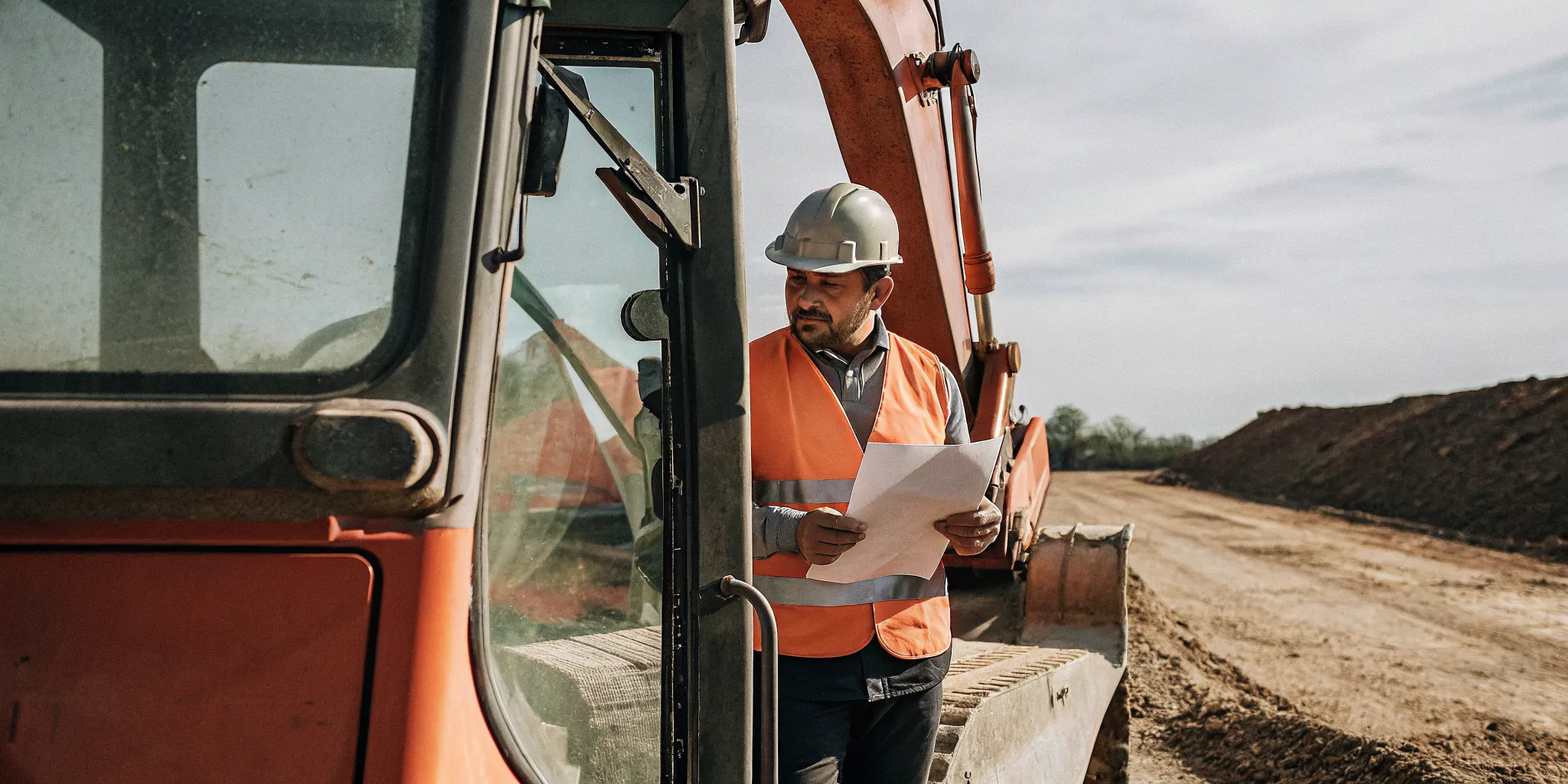 Out-of-state operators need to complete the Massachusetts application and exam process.
Massachusetts does not have standard MA hoisting license classifications that transfer from other states. If you work in another state and want to run big machines here, you must get a local license. The state does not offer MA hoisting license reciprocity. But the process is clear if you follow the right steps. Many out-of-state drivers find that they can get licensed fast with the right training.
Required papers for operators
To start, you must gather your records and health papers. The state has strict rules for who can apply to run big machines. Out-of-state workers must show they are fit to run heavy machines safely before they can take the test. You must submit these papers with your form to avoid any delay for your test date.
The step-by-step application path
To get your license, you must follow the steps set by the state. Each step makes sure you meet state safety rules. Here is what you need to do to get your card:
- Meet the age limit. You must be at least 18 years old to apply for any Massachusetts hoisting license. You can read about this age rule on the official state licensing page.
- Gather your ID and health cards. You must send a copy of your valid driver's license or a Massachusetts ID card. You also need to send a current DOT Medical Certificate to prove you are fit.
- Submit the state application. Fill out the state hoisting form in full and pay the state fee. Make sure to choose the exact machine class you want to run.
- Pass the written exam. You must get a score of 70 percent or more on the written test. This test covers machinery parts, safe operating practices, hand signals, and inspection procedures. You must also know the MGL statutes and regulations along with the manufacturer operating manuals.
- Wait for state processing. The state Office of Public Safety and Inspections takes about five weeks to process your form. Once approved, you will get your test date in the mail.
Tips for out-of-state companies
Companies that bring crews from other states to Massachusetts must plan ahead. If you own a business, you cannot let your team run machines without this state card. Business Owner Note: You can schedule group training for your entire crew at your jobsite to help them get ready for the test fast. This makes sure your crew follows state laws before the job starts.
Understanding Massachusetts Hoisting License Classes
When dealing with MA hoisting license reciprocity, you must know how the state groups its equipment. Massachusetts divides its hoisting licenses into distinct groups based on the machine type. If you are an out-of-state operator, you cannot just transfer your home license. You must find the class that matches your work experience and apply to take that exact test. The Office of Public Safety and Inspections (OPSI) manages these groups.
Class 1 crane and boom licenses
Class 1 hoisting licenses cover cranes and lift machines. If you operate boom equipment, you will need one of these options. The class has three main subgroups. A Class 1A license lets you run friction cranes, while Class 1B covers lattice-boom cranes. The Class 1C license is the most common group because it covers hydraulic telescoping booms. Each type needs a separate test.
Class 2 excavating machinery licenses
Class 2 licenses cover earth-moving and excavating equipment. This class has four groups that you should check. A Class 2A license is the top-tier excavating option because it covers all excavators and backhoes. This means if you have a 2A license, you can also operate the machines under the 2B, 2C, and 2D sub-classes. If you only need to run a combined loader and backhoe, a Class 2B is enough. Class 2C covers wheel loaders, while Class 2D covers compact equipment like skid steers. We provide detailed training on these MA hoisting license classes to help you prepare.
Comparing Massachusetts hoisting license groups
When preparing your application, you must choose the right test. Out-of-state operators should check their current skill level against the state rules before they apply. The table below compares the two major machine groups.
| License Class | Primary Equipment | Scope of Work |
|---|
| Class 1A | Friction Cranes | Covers friction derrick and crane machines. |
| Class 1C | Hydraulic Cranes | Covers telescoping and hydraulic booms. |
| Class 2A | Full Excavating | Covers all excavating machines, plus 2B, 2C, and 2D. |
| Class 2B | Combination Loader | Covers combined backhoe and loader equipment. |
| Class 2D | Compact Equipment | Covers small machines like skid steers and mini-excavators. |
Choosing the wrong class can slow down your licensing process. Since the state does not always honor out-of-state licenses, you must pass the exact exam for the machine you plan to run. Make sure to check the weight and size limits of your machines before you register for training.
Temporary Permits: The Closest Option for Short-Term Work
Massachusetts does offer temporary permits, but they are very limited. These are not a substitute for a full hoisting license and do not count as reciprocity.
Who Qualifies for a Temporary Permit
Temporary permits under 520 CMR 6.03 are only available for rented compact hoisting machinery. Compact hoisting machinery means equipment with a gross vehicle weight under 10,000 pounds. This does NOT include Class 1, Class 3, or Class 4 equipment. Cranes, excavators, and other heavy machinery are not eligible.
How Temporary Permits Work
The rental company must be approved by the Department of Public Safety to issue temporary permits. They must have a trained facilitator on staff who holds a valid Massachusetts hoisting license at or above the level of the equipment being rented. Before you get a permit, the rental company must train you on the equipment and you must pass their exam.
Duration and Limits
A temporary permit is valid for up to 14 consecutive days. It cannot be extended. You can only use it to operate the specific compact hoisting machinery you rented. If you need to operate equipment for longer than two weeks, you need a full Massachusetts hoisting license.
When a Temporary Permit Makes Sense
These permits work for short projects where an out-of-state operator needs to run compact equipment like small forklifts or mini excavators for a week or two. For anything beyond that, or for larger equipment, you need to go through the full licensing process.
Can Your Massachusetts Hoisting License Be Used in Other States?
The same problem applies in reverse. A Massachusetts hoisting license does not automatically transfer to other states. Each state has its own licensing rules for hoisting and heavy equipment operators.
No National Reciprocity Standard
Unlike commercial drivers licenses, there is no national reciprocity agreement for hoisting licenses. Some states have their own licensing programs similar to Massachusetts. Others may not require a state license at all but follow federal OSHA rules. You cannot assume your MA license will be accepted anywhere else.
What About NCCCO Certification?
The National Commission for the Certification of Crane Operators (NCCCO) offers a nationally recognized certification for crane operators. Many states accept NCCCO certification to meet their licensing requirements. Some employers require it. However, NCCCO certification does not replace a state-issued hoisting license. Check with the state where you plan to work to see what they accept.
Check Before You Move
If you hold a Massachusetts hoisting license and plan to operate equipment in another state, contact that states licensing board first. Ask whether they recognize out-of-state licenses, accept NCCCO certification, or require their own testing. The rules vary widely from state to state.
For more information, check the frequently asked questions about hoisting licensing.
Training Options to Meet Massachusetts Requirements
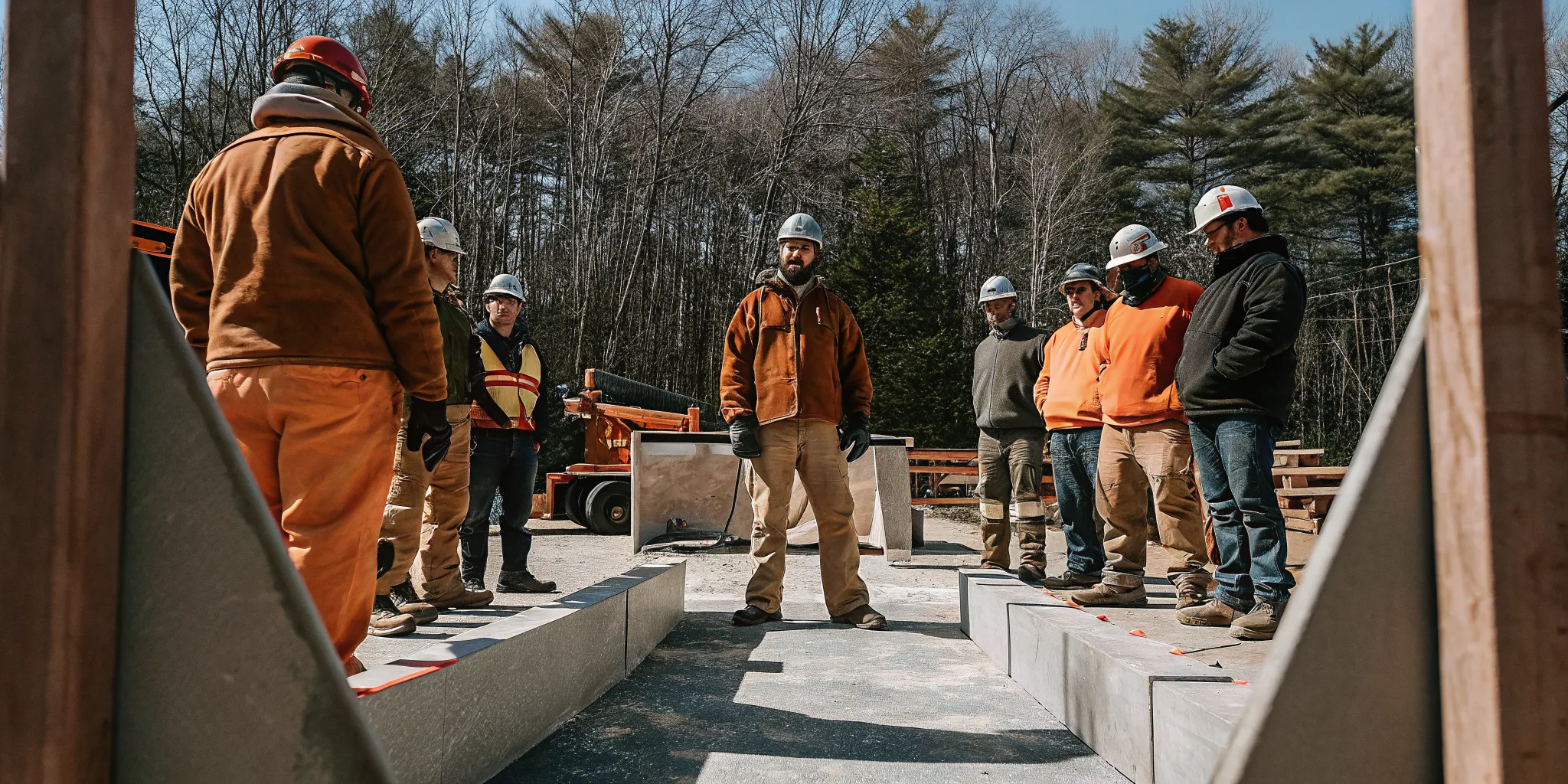 Training can be arranged online, in a classroom, or for a crew at a jobsite.
The best way to prepare for the Massachusetts hoisting license exam is with state-approved training. MA Hoisting License offers several options to fit different schedules and learning styles.
Online Self-Paced Courses
If you need flexibility, the online courses let you study at your own pace. You can access the materials from anywhere and work through the content when your schedule allows. This option works well for out-of-state operators who need to learn Massachusetts-specific rules before coming to the state for testing.
Instructor-Led Classroom Training
MA Hoisting License has classroom locations in Plainville, West Springfield, Woburn, and Worcester. These courses are taught by instructors with over 30 years of industry experience. You get hands-on guidance and can ask questions in person. Classroom training covers everything you need for the written exam.
On-Site Group Training for Companies
Construction companies can schedule group training at their own jobsite. This is useful if you have multiple operators who need to get licensed or renew their credentials. The trainers come to you and tailor the content to your equipment and operations.
Continuing Education for License Renewal
Once you have your Massachusetts hoisting license, you need continuing education hours to renew every two years. MA Hoisting License offers state-approved continuing education courses to help you meet the renewal requirements.
Call 508-212-4735 to discuss which training option fits your situation. Spanish-language training is also available.
Frequently Asked Questions About MA Hoisting License Reciprocity
Does Massachusetts honor hoisting licenses from other states?
No. Massachusetts does not automatically honor hoisting licenses from other states. There is no formal reciprocity agreement for hoisting licenses in Massachusetts. Anyone operating hoisting equipment in the state must hold a valid Massachusetts hoisting license issued by the Office of Public Safety and Inspections.
Can I use my out-of-state hoisting license on a short-term project in Massachusetts?
Not directly. However, if you rent compact hoisting machinery (under 10,000 lbs GVW). The rental company may issue a temporary permit valid for up to 14 consecutive days under 520 CMR 6.03. This requires training and an exam from the rental entity. Larger equipment still needs a full license.
What do I need to apply for a Massachusetts hoisting license as an out-of-state operator?
You need to be 18 or older, submit a completed application, provide a valid drivers license or Massachusetts ID, a DOT medical certificate, and a 2x2 photo. You must pass a written exam with a score of 70% or higher covering machinery operation, safety practices, hand signals, and Massachusetts regulations. The fee is $75 per license class.
Does a Massachusetts hoisting license work in other states?
No. There is no national reciprocity standard for hoisting licenses. Each state sets its own requirements. Some states accept NCCCO certification for crane operators, but this does not replace a state-issued license. Always check with the licensing board in the state where you plan to work.
How long does it take to get a Massachusetts hoisting license?
Application processing takes about 5 weeks once all paperwork is submitted. You also need time to study for and pass the written exam. Taking a state-approved training course can help you prepare efficiently and avoid delays.
Ready to Get Your MA Hoisting License?
Whether you are an out-of-state operator new to Massachusetts or a local professional looking to get licensed, MA Hoisting License is here to help. We offer state-approved online and classroom training at five locations across Massachusetts. Our instructors have over 30 years of industry experience and know exactly what the state exam covers.
Dont let the lack of reciprocity slow down your next job. With the right training, you can pass the exam and start working in Massachusetts.
Call 508-212-4735 to enroll today. We also offer Spanish-language training and on-site group programs for companies.
Tags: ,