Massachusetts 1D Hoisting License Guide for Forklifts
23
Jun
Moving heavy loads in a busy Massachusetts warehouse requires more than just basic on-the-job training. Staying legal while running a forklift means you must follow strict state safety rules.
Start your Massachusetts 1D hoisting license test preparation with the right training course.
The Massachusetts 1D hoisting license is a state rule for anyone who runs heavy forklifts in a warehouse or on a job site. This license type allows you to use machines like reach trucks and order pickers in big work sites. To get this license, you must be 18 years old and have a driver's license. You must also pass a state test with a grade of 70 percent or higher. According to state rules, you also need a valid DOT medical form to show you are fit for hard labor. Holding this license keeps you in line with the law and keeps your workplace safe from costly fines. It shows bosses you have the skills to handle big machines safely and well.
You may want to know which tools you can use or how to pass the test. Learning What does a Massachusetts 1D hoisting license cover? helps you get the right training for your job. The path to your new job begins as you learn
What does a Massachusetts 1D hoisting license cover?
A Massachusetts 1D hoisting license authorizes qualified workers to operate covered equipment in Massachusetts. This license covers the use of main industrial warehouse forklift gear. Most people use this gear in indoor settings like plants or shops. It is a legal rule for anyone who runs this heavy gear on a job site.
Industrial and warehouse forklift use
The 1D class focus is on move and lift tasks within a building. It covers standard forklifts that you see in many shops and docks. These tools help move heavy pallets and stacked goods from one spot to another. The state needs a license to make sure that every operator has the right skills for the job. You can find more details on the Massachusetts hoisting license types page.
This license is not just for outdoor building sites. It is needed for any operator who handles heavy loads in a warehouse. Even if you work on private land, you must hold a valid state permit. The law aims to prevent crashes and keep workers safe in busy industrial spaces. If you run a forklift without a license, you risk big fines for yourself and your boss.
Equipment types and safety rules
The equipment classification determines which machines fall under the 1D class. Mostly, a license is needed for any tools that move heavy loads. This includes reach trucks and order pickers that work in narrow aisles. If a machine lifts goods high into warehouse racks, you will need a 1D permit. These rules help the state decide which gear needs a trained operator.
The Massachusetts hoisting laws say all operators must be at least 18 years old. You must also pass a state exam to show you know the safety codes. The test checks your knowledge of the machine parts and how to check them. You must also prove you can read safety signs and placards on the gear. This makes sure that every licensed driver can spot a risk before it leads to a crash.
Maintaining your 1D license status
Once you get your license, your work is not done. Massachusetts law says that these permits stay valid for two years. You must finish a continuing education for 1D license holders course to keep it active. This training keeps you up to date on new safety rules and state laws. Keeping your license current shows your boss that you are a pro who cares about safety.
The state uses 230 CMR 6.00 to set the standards for all hoisting work. These rules cover everything from hand signals to daily machine checks. By following these laws, you help build a safer work site for your whole team. If you are new to the field, start with a good Massachusetts 1D hoisting license test prep course. It will give you the facts you need to pass the state test on your first try.
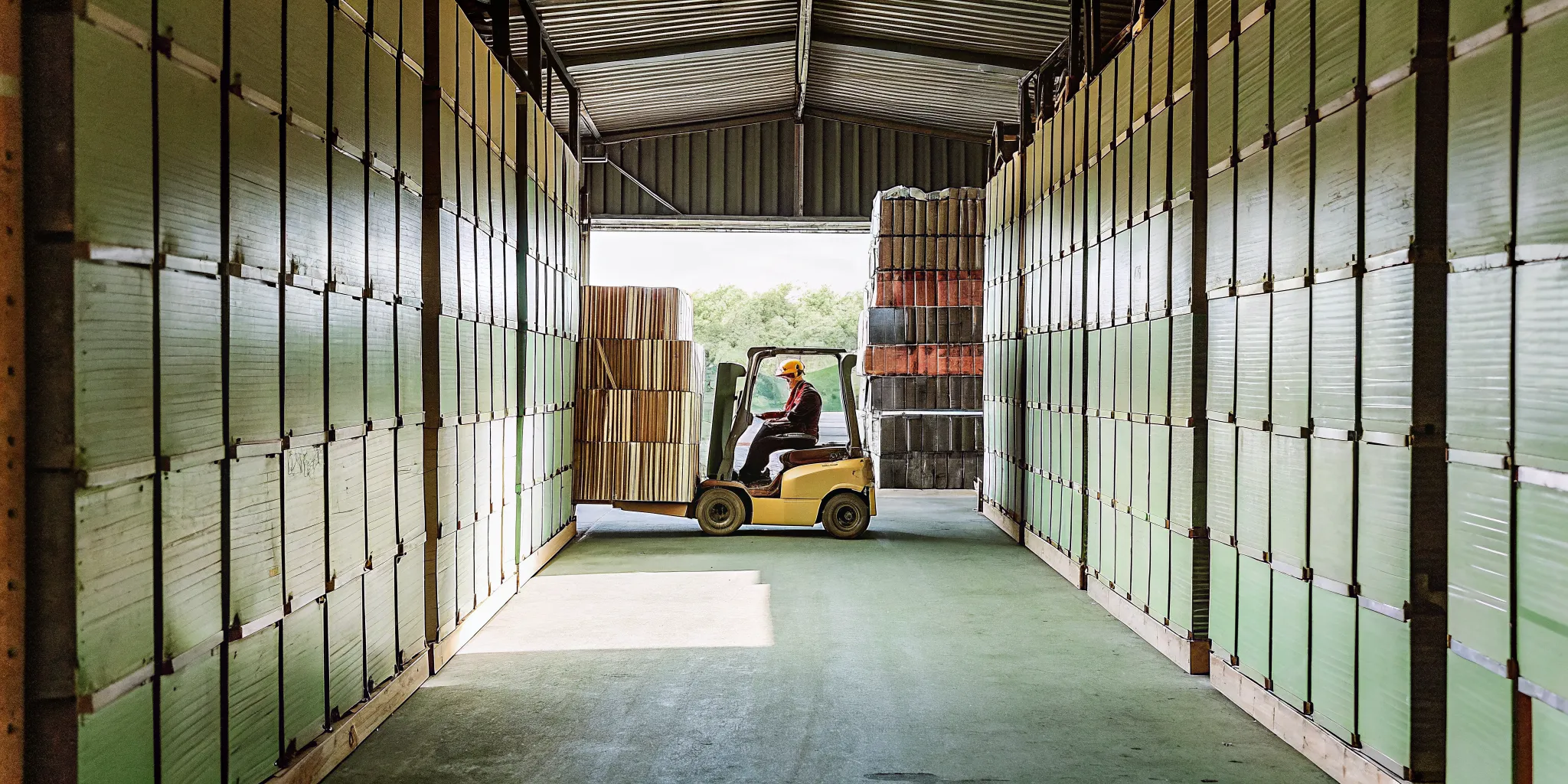 Warehouse forklift operators need the classification that matches the equipment they use.
Massachusetts 1D vs. 1C: which classification do you need?
Choose 1D for equipment covered by 1C with a manufacturer's rated capacity of 10 tons or less. Choose 1C for telescoping-boom equipment without wire rope rated over 10 tons. Always confirm the machine's specifications and current Massachusetts classification rules before applying.
Choosing the right Massachusetts hoisting license can be a hard task. You must know which machines you plan to use on the job. The 1D and 1C classes are both common for workers in the state. While they seem alike, they cover other tools and tasks. You should learn the rules for each one before you start your training.
Learning about the 1D license for forklifts
The 1D license is a common choice for people who work in indoor spaces. It lets you use Massachusetts 1D hoisting license test preparation to get ready for the work. This class is for lifting and moving heavy loads in a factory or storage site. Many warehouses in cities like Boston or Worcester rely on these operators. These workers keep goods moving from trucks to shelves every day.
Without a license, you cannot drive a forklift in these places. Per 230 CMR 6.00, any operator of this gear needs a state license to follow the law. Getting your 1D can help you find a steady job in the supply chain. It is a vital step for anyone who wants to work in a modern warehouse.
Moving up to the 1C license
If you need to do more than just move pallets, the 1C license is a better fit. The 1C license is seen as a step up for many workers. It covers everything in the 1D class plus telescoping booms without cables. Many people get this type so they can work on a wider range of job sites. This is helpful for roofing or framing work on big building projects.
Construction crews look for people who have this class because it makes them more useful on a site. A broader classification can qualify an operator for more equipment and job-site assignments. You can view the full list of Massachusetts hoisting license classifications on our site. Having more than one skill makes you a top pick for many bosses.
Shared rules for both classes
Both types have the same basic rules to get started. You must be at least 18 years old to apply for any hoisting engineer license in Massachusetts. You also need a valid DOT medical card to sit for the exam. Each test has about 40 questions and you need a score of 70% or more to pass. Think about where you want to work before you pick a course.
The state wants to make sure every operator is safe and knows the gear. You must renew your license every two years to keep working. This helps you stay up to date on new safety rules and laws. If you like the fast pace of a shipping hub, the 1D is a great start. If you want to work on large projects, the 1C is the best choice.
| Factor. | 1D License. | 1C License. |
|---|
| Main gear. | Industrial warehouse forklifts. | Telescoping booms without cables. |
| Typical focus. | Warehouse forklift operation. | Telescoping boom operation. |
| Application and exam. | Confirm current state requirements. | Confirm current state requirements. |
| Minimum age. | 18 years. | 18 years. |
| Renewal. | Confirm current state rules. | Confirm current state rules. |
| Legal code. | 230 CMR 6.00. | 230 CMR 6.00. |
How to apply for a Massachusetts 1D hoisting license
To apply, confirm that 1D matches your equipment, gather the current state application documents and medical certification, submit the application and fee, then prepare for the state exam. Allow processing time and verify every requirement with the Massachusetts Office of Public Safety and Inspections.
A Massachusetts 1D hoisting license may be required for the covered equipment you operate. This card allows you to run heavy gear like forklifts in a safe and legal way. The state of Massachusetts has a clear path for you to follow to get your card. You must meet age rules, show health proof, and pass a test on safety.
Meet the basic rules
To start, you must be at least 18 years old to hold a license. You also need a valid driver's license or a state ID to prove who you are. Before you fill out any forms, you should look at the Massachusetts hoisting license types. The 1D group is for those who run warehouse gear like forklifts and electric lifts. It does not cover the big rigs used for digging on a site.
The state wants to make sure all people work with care. This is why you must follow the state hoisting rules for the 1D group. If you have questions about your past, check the state site to see if you can apply. Knowing your past helps you stay in line with state law. It also keeps you and your team safe on the job.
Gather your health papers
One of the most vital parts of your file is your health proof. You must have a current DOT card or other form from a doctor. This paper proves you are fit to run heavy gear on a job site. You should get this health check done before you start the state form.
If you do not have a DOT card, you may be able to use a state health waiver. Keep a scan of your card or waiver ready to send with your form. Having these facts on hand will make the process move much faster and save you time. A fast start helps you get to your new job sooner.
Follow the state steps
Once you have your ID and health card, you are ready to apply. The state uses a portal to handle all license forms. You will need to make an account and pay a $75 fee to get your test date. This fee is not paid back if you miss your test, so pick a date that works for you.
- Go to the state site and start a new account for your card.
- Type in your facts and pick the 1D group from the list of types.
- Upload a scan of your driver's license and your current DOT card.
- Pay the $75 fee with a credit card through the secure portal.
- Pick a time and place for your test that fits your work schedule.
- Study for the test with Massachusetts 1D hoisting license test prep tools.
The test will cover safety rules, hand signals, and how to check your gear. You must get a grade of 70 percent or more to pass the test and get your card. Once you pass, the state will mail your new license to your house. You must renew this card every two years to keep it in use. If you need help with the form, you can call 508-212-4735 for group or single person help.
 Structured preparation connects state rules with everyday warehouse safety.
How should warehouse forklift operators prepare for the exam?
Prepare by studying current Massachusetts hoisting regulations, 1D classification limits, equipment inspection, safe operation, and hazard recognition. Use state-approved training and practice questions, but confirm current exam and application details through official state sources before test day.
Getting your Massachusetts 1D hoisting license test preparation started early is the best way to win. The state exam is a written test that covers safety and work topics. You must know how to run the machines well and follow all state rules to earn your license.
Study the right exam topics
The state test has about 40 multiple-choice questions. You need to get a grade of at least 70 percent to pass. The exam covers four main areas: safety tasks, hand signals, check-up steps, and how the machine parts work. You should spend time learning the safety codes and signs found on most forklifts.
It is also key to know the state laws for your work. You must follow the rules in 230 CMR 6.00 when you use hoisting tools. These laws help keep you and your team safe on the job site. Most workers find that taking a class helps them remember these facts during the exam.
Gather your paperwork early
You cannot take the test without the right papers. You will need a copy of your valid driver's license and a DOT medical card. The state takes about five weeks to process your form. Sending your papers in early helps you avoid a long wait for your test date. You can use the state portal to send in your forms and check your status.
Keep in mind that you must be at least 18 years old to apply. You also need to give a small photo or let the state use your license photo. Once you have your Massachusetts hoisting license classifications set, you can focus on the specific machine rules. Many people find that reading the machine book is very helpful before the test day.
Use practical training tools
Reading a book is good, but seeing how things work is better. Use online tools that show you how to do a machine check. You should know how to check the mast, forks, and chains for wear or damage. This skill is not just for the test; it keeps you safe every time you start your shift. Good training makes the test feel like just another day at the warehouse.
What should warehouse employers plan for?
Employers should inventory equipment, match each machine to the correct license classification, track operator credentials and renewal dates, and plan training early. A license supports state compliance, while site-specific forklift training and safe-work procedures address the operator's actual workplace and equipment.
Warehouse managers must track which workers need a Massachusetts 1D hoisting license to keep the site safe. Planning starts with a full list of all staff and the tools they use. You should match each worker to the specific gear they run every day. This helps you find any gaps where a person might need a new license or a renewal.
Check license status
Staff must have the right papers before they start a shift. Massachusetts rules say that a hoisting engineer license must be renewed every two years to stay valid. Employers should keep a digital file of these dates. If a license is close to the end, you can help the worker start their continuing education for 1D license holders early. This stops work delays and keeps your team ready to go.
Match workers to gear
It is vital to know which gear needs a license in your warehouse. Not all power tools need the same state papers. By checking the Massachusetts hoisting license classifications, you can see what is needed for each lift or crane. A clear chart that links staff names to gear types can help during busy times. This simple step helps managers avoid mistakes and keeps the shop floor running well.
Keep safety records
Good records are a big part of any safety plan. You should keep a log of all training and license checks in one spot. This includes a copy of each worker's DOT Medical Certificate as the state requires for all license holders. If an inspector visits, you can show them that your team is in full compliance. Clear files show you take site safety and state rules seriously.
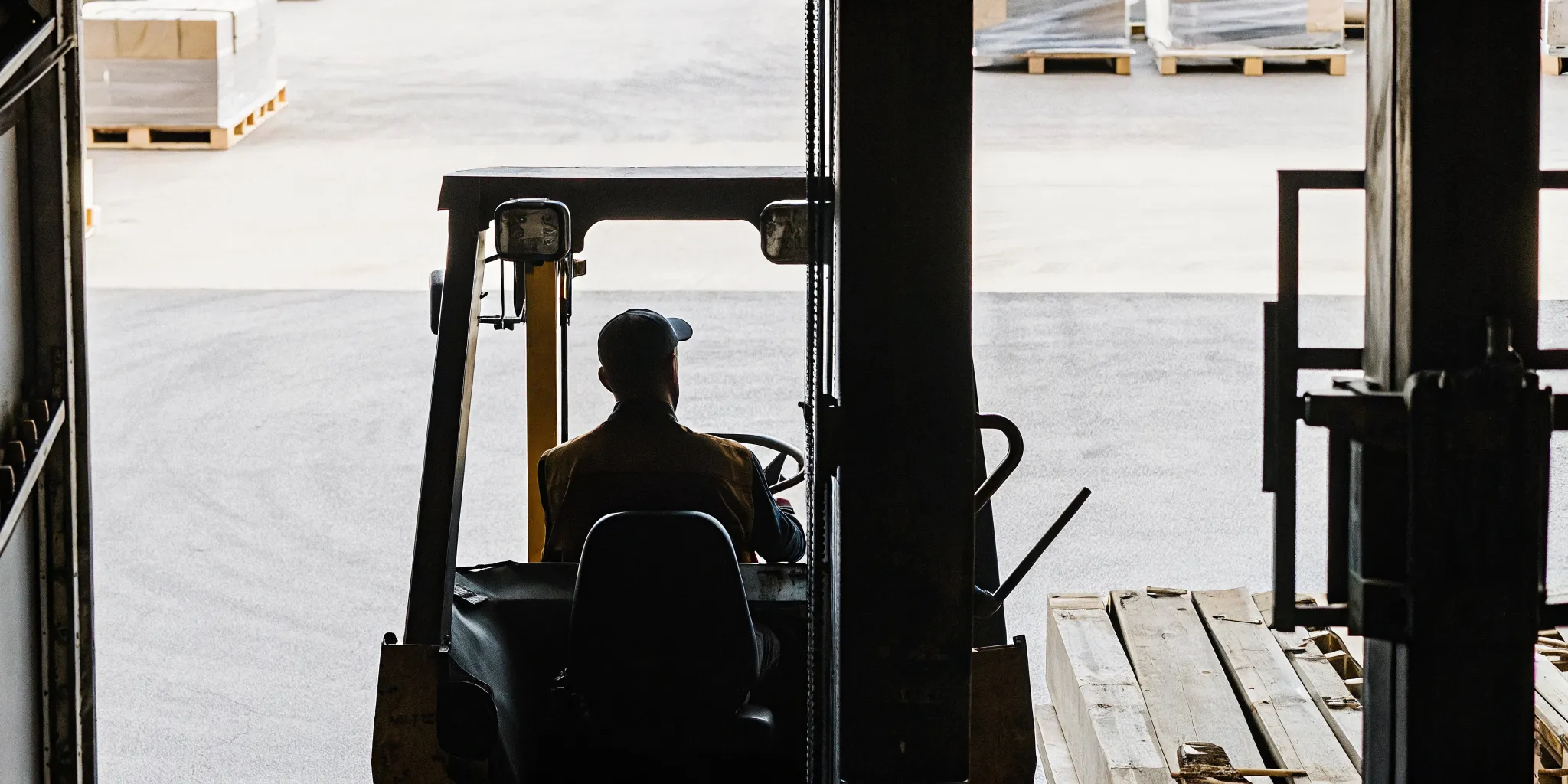 Ongoing safe-operation habits matter throughout each license renewal cycle.
How do you renew a Massachusetts 1D hoisting license?
Renew a Massachusetts 1D license every two years by completing the current state-approved continuing education requirement and submitting the required renewal materials on time. Because deadlines, fees, and procedures can change, confirm the latest instructions before your expiration date.
You must renew your Massachusetts hoisting license classifications every two years to keep working. The state sends a renewal form to your address on file about 60 days before the license ends. If you miss the date, you cannot use heavy gear until you get your new card.
Complete continuing education courses
Before you send your renewal form, you must finish your training. The state requires continuing education for 1D license holders to keep everyone safe on the job. These classes cover new laws and safety rules for gear like forklifts and small loaders.
You can take these courses online at your own pace. This makes it easy for busy workers to stay in compliance without missing a full day of work. Once you finish the class, you get a paper that you must send with your state forms.
Submit your renewal application
To renew a hoisting license in Massachusetts, you must send a full set of forms to the state. This set must include your renewal form and the training paper. You also need to give a current DOT medical card or a similar health form to prove you are fit to run big machines.
The state charges a fee for every renewal. You should check the current price and mailing address on the official form. If you have questions about the state of your request, you can email the state office with your full license number in the subject line.
Check current state requirements
State rules can change, so you should always verify the latest steps before you start. The Office of Public Safety and Inspections manages the education requirements for hoisting engineer license holders. Staying ahead of your renewal date stops site shutdowns and helps you avoid late fees.
Choose the right 1D training format
The best 1D training format is the one that fits your schedule and gives you enough time to understand the regulations and equipment limits. Individual operators may prefer flexible online preparation, while employers may benefit from instructor-led or on-site group training.
Choose your 1D test-preparation course and begin studying before you apply.
Getting your Massachusetts 1D hoisting license requires you to pass a state exam. The Office of Public Safety and Inspections (OPSI) runs these tests to make sure you can use gear safely. You must choose a training path that fits your life and helps you learn the rules. Most people pick between online study, class sessions, or group training at work.
Self-paced online study
Online study is the most flexible way to get ready for the Massachusetts 1D hoisting license. You can log in when you have time and work at your own speed. This is great if you have a busy job or a family to care for at home. These lessons cover safety codes, hand signals, and machine parts.
Many operators use Massachusetts 1D hoisting license test preparation to study. This online course lets you review the facts as many times as you need. You can take practice tests to see how well you know the facts before you apply. Since studying online is self-paced, it helps you stay on track.
Instructor-led class sessions
Some people learn best when they can ask a teacher questions in person. Class sessions give you a chance to talk about real-world site safety. You get to hear from experts who know the state laws and machine limits well. These classes often take place in a room with other students.
In these sessions, you will learn about the 70 percent passing grade and what to expect on test day. You will also learn about the medical card rules for your forms. These rules state that every Massachusetts hoisting license must be renewed every 2 years to stay valid.
Group and on-site training
Groups often need to train many workers at the same time to keep their job sites safe. On-site training brings the teacher to your place of work. This saves time and keeps your crew together. It also lets the trainer focus on the exact tools your team uses every day.
If you lead a crew, you can check out group training options for your staff. This path ensures all your operators meet the state rules. It also helps your team stay current on the renewal rules that apply to every license holder.
Frequently Asked Questions
What are the different hoisting license classes in Massachusetts?
Massachusetts has four main license classes for hoisting. These are Class 1, Class 2, Class 3, and Class 4. Each class lets you use different types of heavy gear. For example, the 1D class is part of the Class 1 group. It is often needed for work with lifts and other warehouse tools. Picking the right class is the first step in getting your permit.
What are the eligibility rules for a Massachusetts hoisting license?
To get your license, you must meet a few rules. First, you need to be at least 18 years old. You also must have a valid driver's license. You will need to show a medical card or waiver as well. After you apply, you must pass a state test. This test checks what you know about safety and how to use the gear on the job.
Is a DOT medical card required for a hoisting license?
Yes, you need a medical form to apply for your permit. You can use a DOT Medical Certificate to show you are fit to work. Other options include an ANSI medical form or a state waiver. According to the Mass.gov website, you must submit a copy of this document with your form. Without this proof, you cannot sit for the state exam or get your license.
How long does it take to get a Massachusetts hoisting license?
The process for getting your license takes some time. You should plan for about five weeks for the state to review your paperwork. This time starts once you send in your form. After they check your file, you can take the test. Once you pass the exam, you will get your new license in the mail. Start early so you do not have any gaps in your work.
How do I renew my Massachusetts hoisting engineer license?
You must renew your license every two years to keep it valid. To do this, you need to use the state portal or mail in a form. You will also need to take a continuing education course. This keeps you up to date on new safety rules. Make sure to renew on time so you can keep working. If you wait too long, you might have to take the test again.
Ready to get your Massachusetts 1D hoisting license today?
Enroll in Massachusetts 1D hoisting license test preparation today, or call 508-212-4735 to discuss your training needs.
Using your machines without a valid state license can lead to big fines for your team or even cause a total stop to your work. If you wait until the last minute to start your training, you may face long delays that keep you from using the forklifts you need. Starting your course now ensures you stay in line with state laws and keep your career moving forward without any costly breaks in your pay. You can also view our 1D license classes to find a plan that fits your schedule and get your license fast.
Ready to call? Call 508-212-4735 to enroll in the right 1D training course today.
Tags: , ,