Massachusetts 4B Hoisting License: Operator Guide
24
Jun
If a drill rig or pile driver is on tomorrow's job plan, the operator cannot simply climb into the cab and start work. Massachusetts requires the correct equipment-specific authority, and the Massachusetts 4B hoisting license is the classification for these machines.
Prepare for or renew your Massachusetts 4B hoisting license with MA Hoisting License.
The Massachusetts 4B hoisting license is the specific card you need to run drill rigs or pile drivers on job sites in the state. This specialty class falls under Category 4 for tools that do not fit into standard digging or lifting groups. Based on the Massachusetts License Type and Class Guide, this license proves you have the right safety training. Getting this card ensures you can handle heavy machines safely and stay within the law. Whether you work on base projects or deep wells, this 4B license is a must-have for staying legal with state rules. This license protects your job by showing you can manage big machines without putting your crew at risk. It also gives you the legal right to work on public and private jobs across the Commonwealth.
Operators often have questions about exactly which machines they can run once they get this specialty card. You need to know which tools fall into this class and where the limits of the law begin. Knowing what does a Massachusetts 4B hoisting license cover is vital for your next job. This helps you pick the right training and prepare for the state exam. Here is what you need to know.
What does a Massachusetts 4B hoisting license cover?
The 4B hoisting license classifications in Massachusetts allow you to run two main types of heavy tools. These are drill rigs and pile drivers. This license is part of the Class 4 specialty group. This group is for equipment that does not fit into standard crane or digger classes. You can find the full list of these types in the state license class guide.
Covered drill rigs and pile drivers
A drill rig is a tool used to make holes in the earth. It is common on sites where teams must reach deep under the soil. Pile drivers are tools that push big posts into the ground to help hold up buildings or bridges. Having a Massachusetts 4B hoisting license renewal plan is key once you have this card. It lets you work on big jobs that need these exact skills.
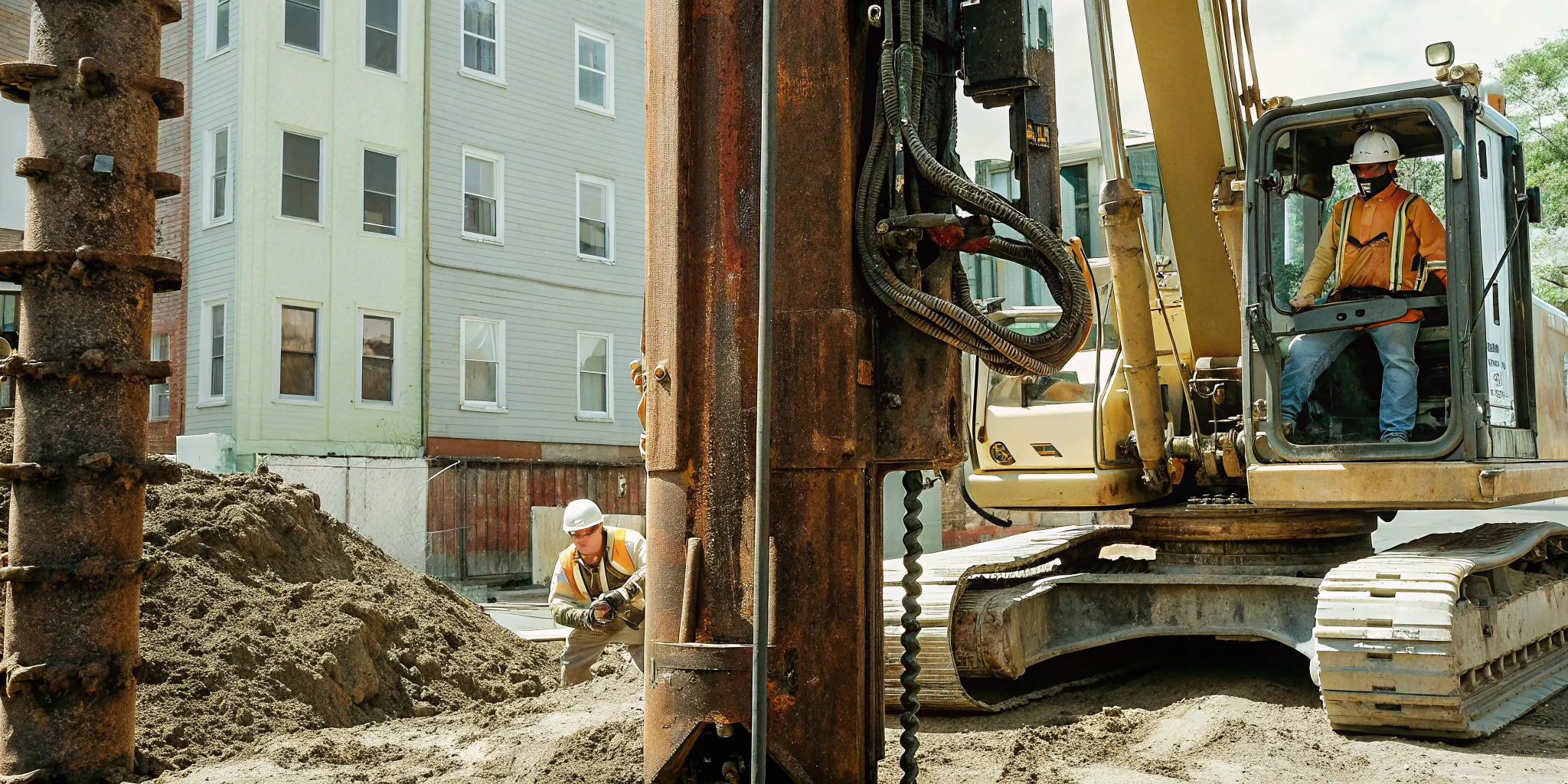 Operators should confirm the machine classification and complete a site-specific safety review before work begins.
How the 4B fits with other classes
The state puts hoisting tools into four main piles. Class 1 covers cranes and big lifts. Class 2 is for diggers like backhoes. Class 3 is for tools that use air or power lines. Class 4 is the specialty pile where the 4B sits. Each group has its own test. You must know the safety rules for the specific tool you want to use. You can look at the table below to see how these groups differ.
| Class Type |
Common Equipment |
Primary Focus |
| Class 1 |
Cranes and Derricks |
Lifting loads |
| Class 2 |
Excavators and Backhoes |
Moving earth |
| Class 3 |
Electric and Pneumatic |
Powered lifts |
| Class 4 |
Specialty Tools |
Unique tasks |
Safety and rules for 4B tools
When you use 4B gear, you must follow strict safety laws. You need to know about weight limits and how to keep the machine steady. The state wants to make sure every person on the site stays safe. To keep your license, you must do a small bit of training every two years. If you have questions about your group needs, you can call us at 508-212-4735 for help.
Who should pursue the 4B specialty classification?
The 4B license is a narrow but vital path for workers in the ground and utility sectors. If your daily work involves deep ground prep or heavy support, this class is often a core job need. Understanding which machines fall under this rule helps you avoid work stops and legal risks on site.
Operators of drill rigs and pile drivers
The state defines the 4B hoisting license classifications as the standard for two main machine types. First, you need this license if you use drill rigs for soil tests, well digging, or ground shafts. Second, it covers pile drivers that set large beams or sheets into the earth. If you run this gear without the right card, you and your firm could face big fines.
You should check the official license type guide from the state before you start your application. This guide shows that the 4B class sits within the specialty group, separate from general hoisting or digging work. If you plan to move between different kinds of heavy gear, you might need to add other classes to your file later on.
HR and safety managers for deep work teams
Managers who oversee crews in bridge building, high-rise work, or utility jobs must track these specific cards. It is not enough to have a general license for excavators or cranes when using specialty rigs. You must ensure every person on your team holds a valid 4B license if their task involves these tools. This keeps your job site safe and in line with all state laws.
Planning for Massachusetts 4B hoisting license renewal is also a key task for any firm. All licenses in this state end every two years, so keeping a plan for staff training is a smart move. Staying ahead of these dates helps your team keep working without a break in their legal status. If you have a large crew, we can help with group training to get everyone ready at once.
How to apply for a Massachusetts 4B hoisting license
Getting your license to run drill rigs and pile drivers needs a clear plan. The state has strict rules for the 4B hoisting license classifications. You must prove you have the skills and meet all safety needs before you can test. Follow these steps to get through the process with no issues.
Check your eligibility
First, you must be at least 18 years old. This is a basic rule for any hoisting engineer in the state. You also need a valid driver license to apply. If you have any health issues that could affect safety, you may need a doctor note. Use our license classification guide if you have questions about your specific background or needs.
Gather needed papers
You will need some papers ready before you start your application. The state wants to see a current DOT medical card or a similar health form. You also need a copy of your driver license. If you are an apprentice, you must show that you are registered with the state for hoisting work. Having these ready will save you a lot of time.
- Fill out the form: Go to the official state site and start your 4B application. Make sure every detail is right.
- Pay the fee: You will need to pay a small fee to process your request. Use a credit card for the fastest results.
- Send your proof: Upload your medical card and driver license copy. The state will check these to verify you are fit for the job.
- Wait for approval: Once the state clears your papers, you will get a notice. This tells you that you are ready to book your exam.
- Book your test: Use the link in your notice to pick a date and place for your exam. Most tests cover safety and load rules.
Prepare for the 4B exam
The 4B test focuses on drill rigs and pile drivers. You will need to know about safe operating practices and hand signals. It also covers state laws and how to check your gear. Most operators find that taking a class helps them feel ready. Proper prep is the best way to get your license on the first try.
If you need help with your Massachusetts 4B hoisting license renewal later, we have online tools for that too. For now, focus on getting your papers in order and booking your first test date.
What should you expect on the 4B exam?
Getting your 4B hoisting license classifications needs a pass on a state test. This exam checks if you know how to run gear like drill rigs and pile drivers safely. You must show you know the machine parts and state laws before you can start work in Massachusetts.
Exam topics and focus
The state test covers a few key areas. You will need to know about all the working parts of your machine. This includes how the gear moves and how to keep it stable while you work. The test also asks about safe ways to run the rigs on a busy site.
Hand signals are a big part of the exam too. You must prove you can talk with your ground crew without using words. This keeps everyone safe when the site is loud or the view is blocked. You should also know the rules for specialty hoisting licenses in the state.
Machine checks and safety
Safety is the top goal for the state. The exam will test your skill in finding issues before they cause a crash. You will need to know how to do a full pre-work check on your drill rig or pile driver. This includes checking hoses, bolts, and safety locks.
Load limits are another key topic. You must show you can read load charts for your gear. Knowing how much weight a rig can hold helps you avoid tips and breaks. Following these state safety standards is the best way to pass your test and keep your job site safe.
Study tips for success
The best way to get ready is to read the machine manual. Learn the names of all parts and what they do. You should also practice hand signals with a friend until you know them well. This builds the muscle memory you need for the test day.
Many people find that a prep course helps them feel more sure. These classes focus on the same facts the state asks about most. If you have your license and just need a Massachusetts 4B hoisting license renewal, you can often do your hours online.
How to prepare for the 4B license exam
Getting your 4B hoisting license classifications takes a clear plan. This specialty license allows you to run drill rigs and pile drivers on job sites. Since safety is a top goal, the state exam tests what you know about gear and rules. You must know how to set up the machine and how to find risks before you start work.
Study official state rules
Your first step is to learn the laws that govern hoisting in the state. The Massachusetts 4B hoisting license exam covers 520 CMR 6.00 and other safety codes. You should read the state guide to see what each license type allows. Knowing how specialty classes differ from general hoisting will help you on the test. Focus on the parts about checks and daily logs for drill rigs.
Learn drill rig and pile driver basics
You need to know how the gear works to pass the test. Drill rigs and pile drivers have unique parts like hammers, leads, and bits. Spend time with the manual for the machines you plan to run. Learn the hand signals and load charts for these tools. You must be able to say how to keep the rig steady on soft ground. If you work now, ask a licensed pro to show you the main safety points.
Join a training course
Many people find it helpful to take a class before they sit for the exam. A good course will cover the exact topics found on the test. You can get help with the paperwork to avoid any wait. If you have a license now, you may need Massachusetts 4B hoisting license renewal hours later. Taking a class now builds a strong base for your job and keeps you safe at work.
How do you renew a Massachusetts 4B license?
To keep your Massachusetts 4B hoisting license active, you must renew it every two years. This process keeps you up to date on safety rules for drill rigs and pile drivers. If you do not renew on time, you may face fees or lose your legal right to work on a job site.
Finish training hours
The state of Massachusetts asks all hoisting engineers to finish training hours before they renew. For a 4B license, you must take a two-hour Massachusetts 4B hoisting license renewal course. This class covers new laws, safe work steps, and how to care for your machine.
You can pick from many state-approved classes. Many operators like to take their Massachusetts hoisting continuing education online. This lets you learn at your own pace from a home computer. Once you pass, the school gives you a form to send in with your renewal files.
Send in your renewal forms
Once you have your training form, you can start the official filing. You must send your renewal through the state website or by mail. Be sure to check the official license type class guide for any new rules. Along with your form, you will need a copy of a valid driver license and must pay the state fee.
It is best to start this work at least 60 days before your current card ends. This gives you time to fix any mistakes in your papers. If your phone or mail info has changed, update it so you get your new card fast. Staying on top of these tasks keeps you safe and ready for work on every job.
Using your 4B license safely on the jobsite
Holding a Massachusetts 4B hoisting license is a key step for working with drill rigs and pile drivers. But the license is just the start of your safety path. It shows you know the state rules, but it is not a stand-in for gear training. Every drill rig and pile driver has its own set of controls and quirks. You must have proof of training for the same model you plan to run. Before you start work, your boss must give you the okay. They need to see your license and check your skills on the machine. Keeping these records on site helps the crew stay in line with state laws.
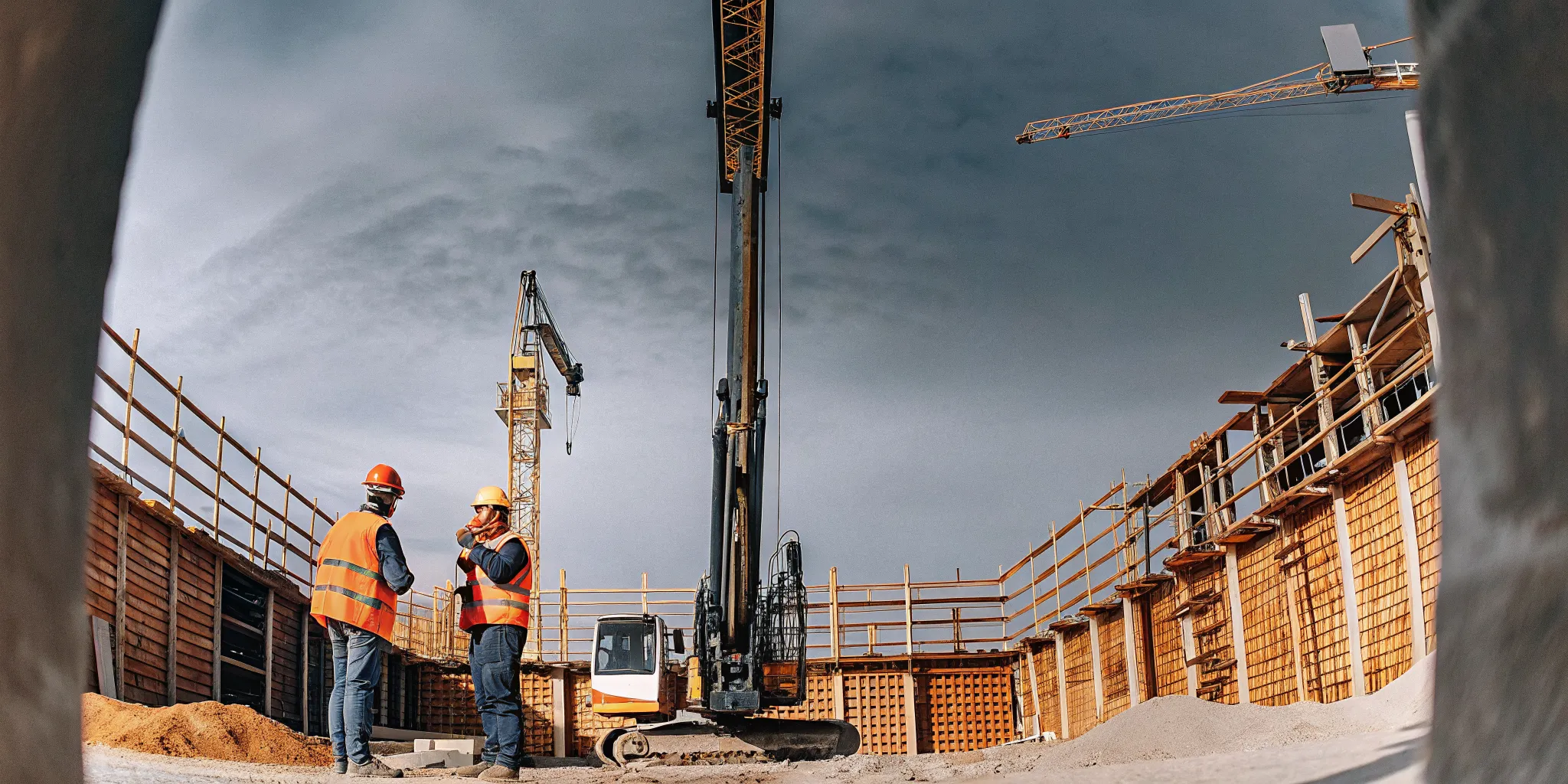 A documented pre-operation inspection helps the crew identify equipment and site hazards before pile-driving work begins.
Gear checks and daily logs
A safe day on the job begins with a close look at your tools. You need to walk around your rig at the start of each shift to find any flaws. Look for oil leaks or cracks in the metal that could lead to a fail. Check the tracks or tires for wear and make sure the bolts are tight. It is also wise to test the safety locks and cut-off stops to be sure they are ready. Doing the tasks in the license type guide helps you know what is needed of a worker. If you find a fault, do not start the rig. Mark it as unsafe and tell your foreman so it can be fixed. This care keeps small faults from turning into big wrecks.
Site setup and ground firmness
Drill rigs and pile drivers put a lot of weight on a small space. This means the ground must be firm enough to hold the load. Before you set up, check for soft dirt or holes that could cause a tip. You must also know where the pipes and wires are buried under the site. Use big pads to spread the weight of your rig if the soil feels loose. Keep an eye on the slope of the land as well. Working on a hill adds risk to your lift and can make the machine not steady. A good 4B hoisting license classifications pro knows that site prep is just as vital as the work itself. Always look up for power lines to avoid a shock.
Team talk and blind spots
Running big rigs means you must work well with the people around you. Blind spots are a major risk when you move a drill rig or swing a pile driver lead. You need to have a clear line of sight to your spotter at all times. If you lose track of them, stop your work right away. Make sure the whole crew knows the hand signs you will use. Noise from other tools can make it hard to hear, so signs are your best bet for safety. You should also talk about the swing path of your rig before you start the task. This keeps workers out of the danger zone. When the crew talks well, the site stays safe and the job gets done right.
Frequently Asked Questions
What equipment does a Massachusetts 4B hoisting license cover?
A Massachusetts 4B hoisting license allows you to use specific heavy machines on job sites. This license is for drill rigs and pile drivers. As shown in the official state guide, these fall under the specialty class. You need this specific grade to run this equipment in the state. Getting the right license helps you stay safe and follow all local work rules.
How do I get a 4B hoisting license in Massachusetts?
To get this license, you must first be at least 18 years old. You need to fill out a form and pay a fee to the state. You also need a valid driver's license and a DOT medical card. Many people take a prep class to help them get ready for the state exam. Once you pass the test, the state will issue your license. It is a key step for anyone who wants to work as a skilled worker.
Can I complete my Massachusetts hoisting license training online?
Yes, you can do much of your training online. Many schools offer self-paced courses that you can finish from home. These classes cover the safety rules and laws you need to know for the exam. However, the state test itself must be taken in person at a set site. Taking an online course is a great way for busy workers to fit their study time into a tight schedule. It helps you prepare without missing work.
Are there different hoisting licenses in Massachusetts besides the 4B?
Yes, the state has four main types of hoisting licenses. Class 1 covers hoisting, Class 2 is for excavating, and Class 3 is for electric or pneumatic tools. Class 4, which includes the 4B, is for specialty equipment like drill rigs. The state guide lists many subtypes for each class. You must hold the correct license for the specific machine you plan to use on any Massachusetts construction site.
Ready to get your 4B hoisting license?
Putting off your 4B training can lead to missed jobs and costly fines from the state if you work on rigs without a valid license. By starting your prep now, you ensure that you stay on track and avoid any long breaks in your career while keeping your skills sharp. Getting ready today means you can work on drill rigs as you want to build a safe future in your 4B hoisting license classifications. Do not let forms or test nerves hold you back from a better paycheck or a role with more pay at the job site today. Our experts help you learn the rules and safety steps in plain words so you feel ready for the big state test very soon.
Ready to start? Call 508-212-4735 to choose your Massachusetts hoisting license training path.
Tags: ,