Massachusetts 4D Hoisting License Guide
23
Jun
Running a concrete pump in Massachusetts without the right state license can stop a job before the first pour. This practical guide explains the Massachusetts 4D hoisting license path, including what the classification covers, how to apply, what to study, and how to plan for renewal.
Start your Massachusetts 4D hoisting license training and prepare for the state exam.
The Massachusetts 4D hoisting license is the state permit you need to run concrete pumps on a work site. This card shows you know the safety rules, how to check the machine, and how to use hand signals. To get this license, you must be at least 18 years old and have a DOT medical certificate. You also need to pass a state test with a grade of 70 percent or higher. As shown on Mass.gov, you must send in a form with a copy of your driver's license. Once you get the permit, you have to renew it every two years to keep it. This process needs two hours of approved training to stay up to date with the law. Our online classes make it easy to get your hours while you keep working.
Before scheduling training or filing an application, confirm that 4D matches the concrete pump equipment you will operate. The classification, application documents, exam preparation, and renewal plan all affect whether you can stay available for scheduled pours.
What does a Massachusetts 4D hoisting license cover?
The 4D class is a specific permit for work in the state. It allows people to run unique machines on job sites. In Massachusetts, the Office of Public Safety and Inspections manages these rules to keep workers safe. This license is part of a system that covers many types of equipment.
Concrete pump machines
A Massachusetts hoisting license for class 4D mainly covers the use of concrete pumps. These machines are vital for big building projects. They move wet concrete to high places or tight spots where a truck cannot go. Since this work has many risks, the state says you must have a permit to use them.
Operators must know how these pumps work to stay safe. The license exam tests your knowledge of machine parts and safety steps. You must also know how to use hand signals to talk to other workers. This helps prevent mistakes that could cause harm on a busy site.
Who needs a 4D license?
You need this permit if you plan to use concrete pumping gear for work. It is not just about driving the truck. It is about the skills needed to pump material safely. Employers check for this license to follow site safety laws and insurance rules. Without it, you cannot legally do these tasks in the state.
To get this license, you must be at least 18 years old. You also need a valid driver's license and a medical card. These rules make sure every worker is fit for the job. You can find more details in our guide on Massachusetts 4D hoisting license exam preparation to help you start.
Keeping your license current
Once you have your 4D license, you must keep it in good standing. The state says all hoisting licenses must be renewed every two years. If you miss the date, you may lose your right to work. You should check your status often through the state's online portal to stay on track.
As part of the renewal, you must finish two hours of continuing education. This training helps you stay up to date on new safety codes and machine tech. It is a simple way to refresh your skills and keep your job site safe. A self-paced online course can help an active operator complete approved training without giving up a scheduled shift.
How to get a Massachusetts 4D hoisting license
Getting your Massachusetts 4D hoisting license is a clear process. You must follow the rules set by the Office of Public Safety and Inspections (OPSI). This kind of license covers the use of concrete pumps on job sites. By doing the right steps, you can get your license and start work as a pro in the state.
Basic rules for the license
Before you apply, you must meet some basic standards. Massachusetts law says you must be at least 18 years old to hold a hoisting license. You also need a valid photo ID, such as a driver's license from the RMV. A learner's permit or a state ID card also works for this step.
You also need to pass a health check. You must have a current DOT medical card to show you are fit for the work. If you do not have a DOT card, you may use a medical waiver from the state instead. These papers prove you can safely run big gear on a busy site.
Steps to apply through OPSI
Once you have your papers, you can start the process to apply for the license. You will need to fill out the state form and pay a fee. You can do this online through the state site. Be sure to check that all your info is right before you hit send. Any small error could slow down your path to a license.
After you apply, the state will review your case. They will check your age, your ID, and your health status. If all is well, they will set a date for your exam. This test is the main way the state checks your skills. You should use a study guide or take a class to get ready for the day of the test. Our team gives training in Spanish and English to help you prep.
The state license exam
The last step is the exam itself. The test covers safety, hand signals, and how the machine works. You must know how to inspect the gear and follow all state rules. It is a written test that you must take in person at a state site.
- Study the state laws and safety codes for concrete pumps.
- Book your exam date through the OPSI online portal.
- Arrive at the test site with your photo ID and a clear plan.
- Answer the questions well to show you know the safety rules.
- Earn a grade of 70% or higher to pass the state exam.
- Wait for your license to arrive in the mail after you pass.
If you pass with a grade of at least 70%, the state will grant your license. You will then be able to work as a 4D operator in Massachusetts. Keep in mind that you must renew this license every two years to stay legal. You can contact us if you have more questions about group training for your team.
What should concrete pump operators study for the exam?
To get a Massachusetts 4D hoisting license, you must pass a written test. This exam checks how much you know about your machine and how to keep a job site safe. The Office of Public Safety and Inspections (OPSI) requires a grade of 70% or higher to pass. You should study four main areas before you sit for the test.
Machine parts and setup
You must know the working parts of a concrete pump. This includes how the boom, valves, and outriggers work. The state hoisting exam covers all working parts of the machinery. You should also study how to set up the pump on different types of ground to stop tips or shifts.
Safe operation and hazards
Safety is the most important part of the exam. You will need to show that you know how to find and avoid common hazards. This includes keeping a safe distance from power lines and managing high pressure in the lines. You must also be able to read and understand all safety codes and signs on the machine. Proper Massachusetts 4D hoisting license exam preparation helps you learn these safety rules in detail.
Inspection and hand signals
Daily checks keep everyone safe on the job. The test will ask about the steps you take to check your pump before you start work. You should study how to look for leaks, cracks, or worn parts in the boom and hoses. You also need to know standard hand signals. These signs help you talk to your crew when the job site is loud or the boom is out of sight.
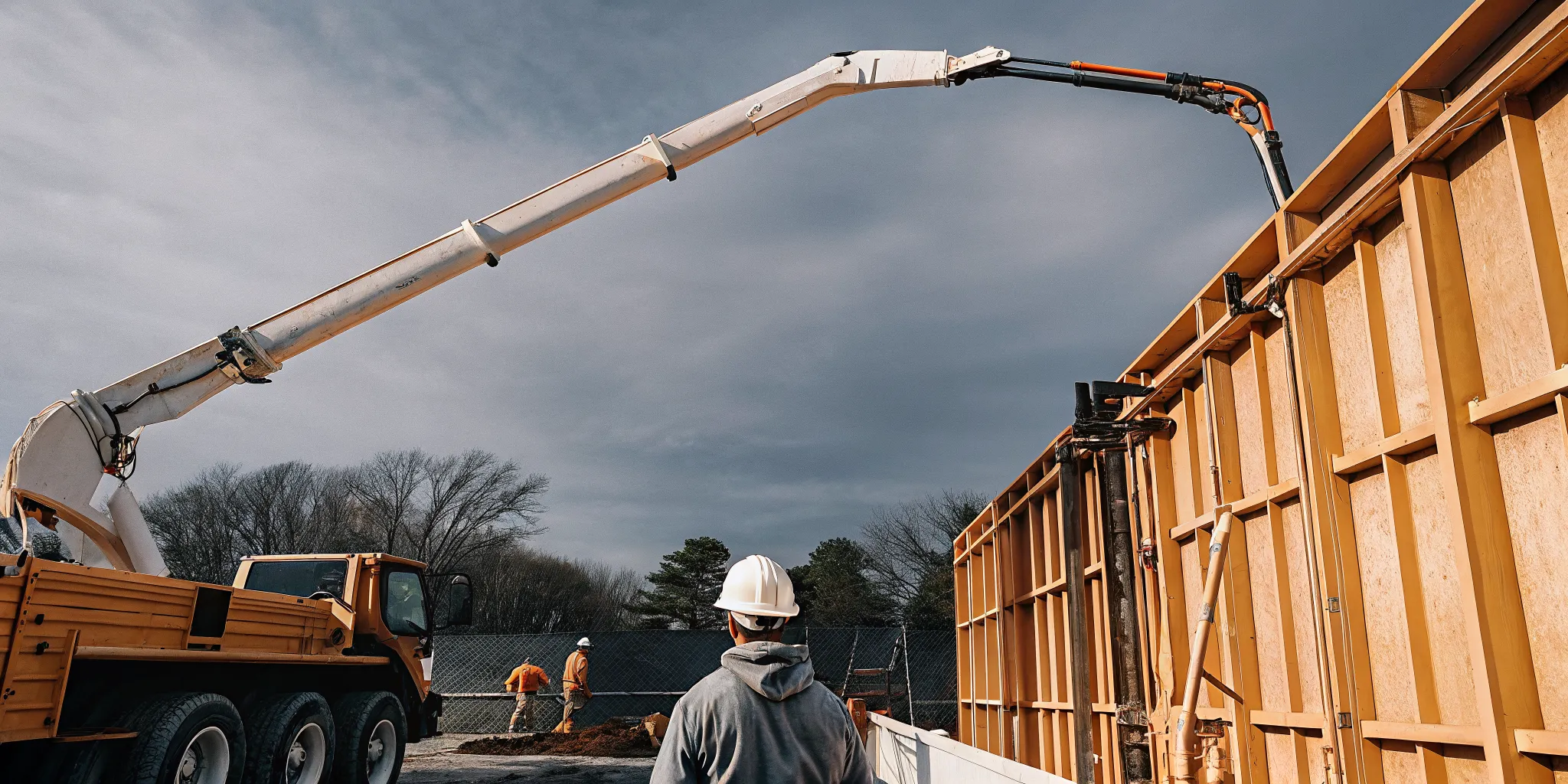 A careful equipment inspection supports safe concrete pump operation.
Choosing the right 4D license training format
Getting your Massachusetts 4D hoisting license exam preparation done right depends on your plan and how you like to learn. The state says all hoisting training must come from a state-approved provider to count. You can choose from online steps, live classes, or group training for your whole team.
Self-paced online courses
Many people like online training because it fits into a busy work day. You can log in when you have time and work through the facts at your own speed. These courses cover the safety rules and hand signals you will see on the state test. It is a good choice if you cannot get to a classroom during day hours.
Instructor-led classroom sessions
If you like to ask questions in person, a class might be best. Teachers can explain the law and share real safety tips. This path is helpful for new people who want more help before they take the exam. You will get fast answers and learn with other pros in the field.
Employer group training
For firms, group training is often the best way to stay safe and legal. A teacher can come to your site or set up a private talk for your crew. This helps make sure all staff know the Massachusetts hoisting license classifications. You can even find training in Spanish to help your whole team.
| Training Type | Best For | Main Benefit |
|---|
| Online | Busy people | Work from anywhere |
| Classroom | New operators | Direct help from experts |
| Group | Construction teams | Site-specific focus |
No matter which path you take, you must pass the state exam with a grade of at least 70% to get your license. Picking a way that fits how you learn will help you feel ready on test day. For help picking the right class, call us at 508-212-4735 to talk with a training pro.
Preparing to operate concrete pumps safely
Holding a Massachusetts 4D hoisting license is a legal must for pump work in the state. It shows you have the skills to run the machine and know the rules. But your license is only the first step. True safety starts long before you pour the first yard of concrete.
You must know your machine and your site well. Prep work is the key to a safe shift. It helps you find risks before they cause a bad accident.
Performing a full machine check
A good worker knows every part of the pump. Before you start the day, walk around the whole rig. Check all the hoses for wear or soft spots.
Look at the pipe clamps to make sure they are tight and secure. You also need to look for leaks in the fluid lines. Even a small leak can lead to a big failure when the pump is under pressure.
Do not forget to test the safety devices. Check the emergency stop buttons to see if they work right. Make sure the safety grates stay in place over the hopper at all times.
If you see any cracks in the boom or the frame, tell your boss right away. A safe hoisting machine must pass every test before it goes to work. This daily check is the best way to keep your crew safe on the job.
- Check hydraulic fluid levels and look for leaks.
- Inspect all pipe and hose clamps for tightness.
- Test all emergency stop buttons and safety switches.
- Look for structural cracks in the boom and outriggers.
- Ensure all lights and signals on the rig work well.
Checking the job site for risks
Where you put the pump is just as important as how you run it. Look for a spot with firm, level soil. If the ground is soft, use large pads under the outriggers.
This spreads the weight and keeps the rig from tipping over. Keep a sharp eye out for overhead power lines as you move the boom. You must keep a safe gap to avoid a deadly electric shock.
Take a look at the path the concrete trucks will take. Clear any tools or junk that might get in the way. A clear path prevents delays and avoids damage to tires or hoses.
Make sure there is enough room for the boom to move without hitting any walls or trees. If you work in a tight spot, use a spotter to help you move. Knowing the site helps you work with more speed and less risk for everyone.
Following site and employer rules
Your license proves you passed the test for hoisting types. But your boss will have their own set of safety rules. Always follow these steps.
Read the manual for the specific pump you are using. Some machines have controls that work in unique ways. Never guess how a new machine works.
Talk with the site lead before the pour starts. Agree on the hand signals you will use to talk. This ensures everyone is on the same page during the pump work.
Make sure everyone knows where the pump is and where the boom will go. If a spot looks unsafe, stop the work and talk about it with the team. Safety is a team effort. Use our Massachusetts 4D hoisting license exam prep to stay sharp on the best work habits.
Review approved continuing education options before your 4D renewal deadline.
How do you plan for 4D license renewal?
Planning for your license renewal keeps you on the job site. You must keep your docs current to avoid work gaps. In Massachusetts, you need to renew your Massachusetts hoisting license types every two years. This helps you follow state rules. If you miss a date, you might not be able to run your concrete pump while the state works on your form.
Tracking your renewal cycle
Your license lasts for two years. It is best to check your status so you do not miss the end date. You can use the MyLicenseOne online portal to see when your card ends. This portal lets you manage your records. You can also check for any notes from the state.
Do not wait until the last week to start. The state suggests you plan for about five weeks of wait time. If you submit your forms late, you might have to stop working while you wait for your new card. Setting a note on your phone or calendar can help you stay on track.
Completing ongoing training hours
To keep your Massachusetts 4D hoisting license, you must finish your training. The state has a rule for two hours of ongoing training every two years for this class. This training helps you remember safe work habits and machine parts. It ensures every operator knows the latest safety codes and rules.
If you hold more than one license type, you must take hours for each one. For example, if you have two types, you need the exact hours for both. You can find an approved 4D license renewal course online. These courses are self-paced and fit into a busy work week.
Submitting your renewal form
Once you finish your hours, you can file your renewal. You will need to show that you are still fit to work. This means you must have a valid DOT medical card or a similar form. You also need to provide a copy of your current driver's license or state ID card.
- Check that your medical card has not run out.
- Ensure your training paper is from a state-approved school.
- Verify that your home address is right in the state system.
- Pay the required fee through the official portal.
The Office of Public Safety and Inspections (OPSI) handles all hoisting files. If you have questions about your status, you can call their main office during work hours. Staying ready helps you avoid stress and keeps your career moving forward.
Frequently Asked Questions
What is the Massachusetts 4D hoisting license?
The 4D hoisting license is a state permit for concrete pump operators. You need this license to run specific hoisting machines on job sites in Massachusetts. This rule helps keep workers safe. It ensures that operators know how to use their tools correctly. According to the state government, anyone who runs hoisting machines must get this license. It is a vital step for your career in the building trades.
How much continuing education is required for a 4D hoisting license?
If you have a 4D license, you must take classes to keep it. You need two hours of continuing education every two years. These classes help you stay up to date on safety rules and new ways to work. You must finish this work before you can renew your license. According to training experts, this rule makes sure all operators are ready for the job. It helps stop accidents on the site.
What are the eligibility requirements for a Massachusetts hoisting engineer license?
To get this license, you must meet a few rules. First, you must be at least 18 years old. You also need to show a valid driver's license or a state ID. You must give the state a medical certificate from a doctor too. According to Mass.gov, you must also pass a test about safety and how the machines work. These rules make sure every operator is fit for the job.
What is covered on the Massachusetts 4D hoisting exam?
The test covers many important topics for your job. You will answer questions about machine parts and safe ways to work. You must also know hand signals and how to inspect your equipment. To pass the test, you need a grade of 70 percent or higher. According to official state data, these tests check if you can read and understand safety codes. This helps keep everyone on the job site safe.
How long does it take to get a Massachusetts hoisting license?
Getting your license takes some time. Once you send in your form, the state needs about five weeks to look at it. You should plan ahead so you do not miss work while you wait. According to the state, you must allow for this wait time before you can take your test. Start your application early to make sure you get your permit when you need it.
Ready to earn your 4D license and get back to work?
Working on a busy job site without the right license can lead to large fines or being sent home for the day by your safety lead. If you wait too long to start your training, you may miss a big chance to move up and get much better pay in your career. Getting your 4D license now keeps you safe and ready for every new concrete project that comes your way across the state of Massachusetts.
Ready to take the next step? Call 508-212-4735 to enroll in 4D license training or call for help choosing a course today. Our team is here to help you get the license you need so you can stay on the job and keep working.
Tags: ,